Sculpture by the Sea - walk Bondi to Tamarama

Annual event Sculpture by the Sea is a popular stop on several of our Sydney private tours. For three weeks from mid-October, the iconic coastal walk from Bondi to Tamarama Beach transforms into a 2-kilometer long sculpture park - the world’s largest free public sculpture event - showcasing over 100 creations by Australian and international artists.

Sculpture by the Sea 2021 can be included in a Sydney Nimble Tours Custom Tour or it can form part of our full day tour of the Eastern Suburbs of Sydney.

Here are a few of our favourite images from past Sculptures by the Sea

Sydney custom itinerary - Chau Chak Wing Museum at the University of Sydney

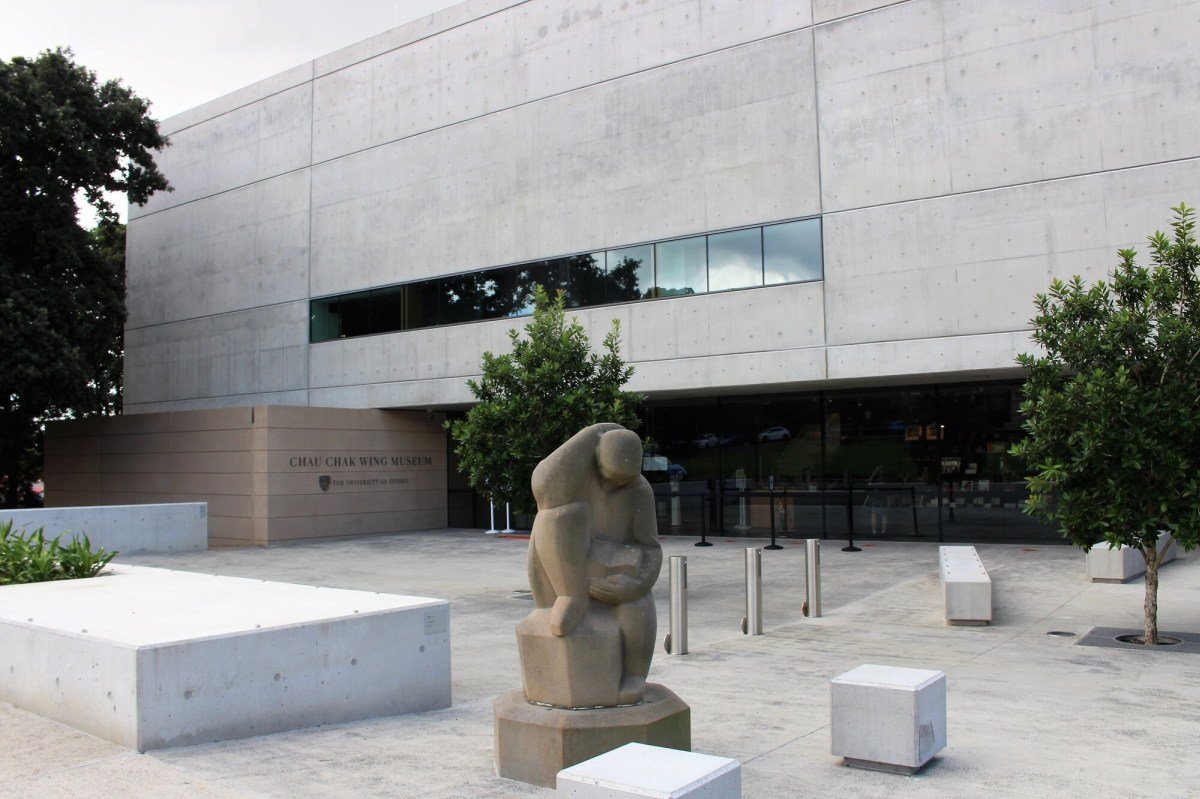
The Chau Chak Wing Museum is a newly constructed building located at the University of Sydney and incorporates the university’s Art Collection, the Nicholson Museum collection and the Macleay Museum collection into one centralised location.

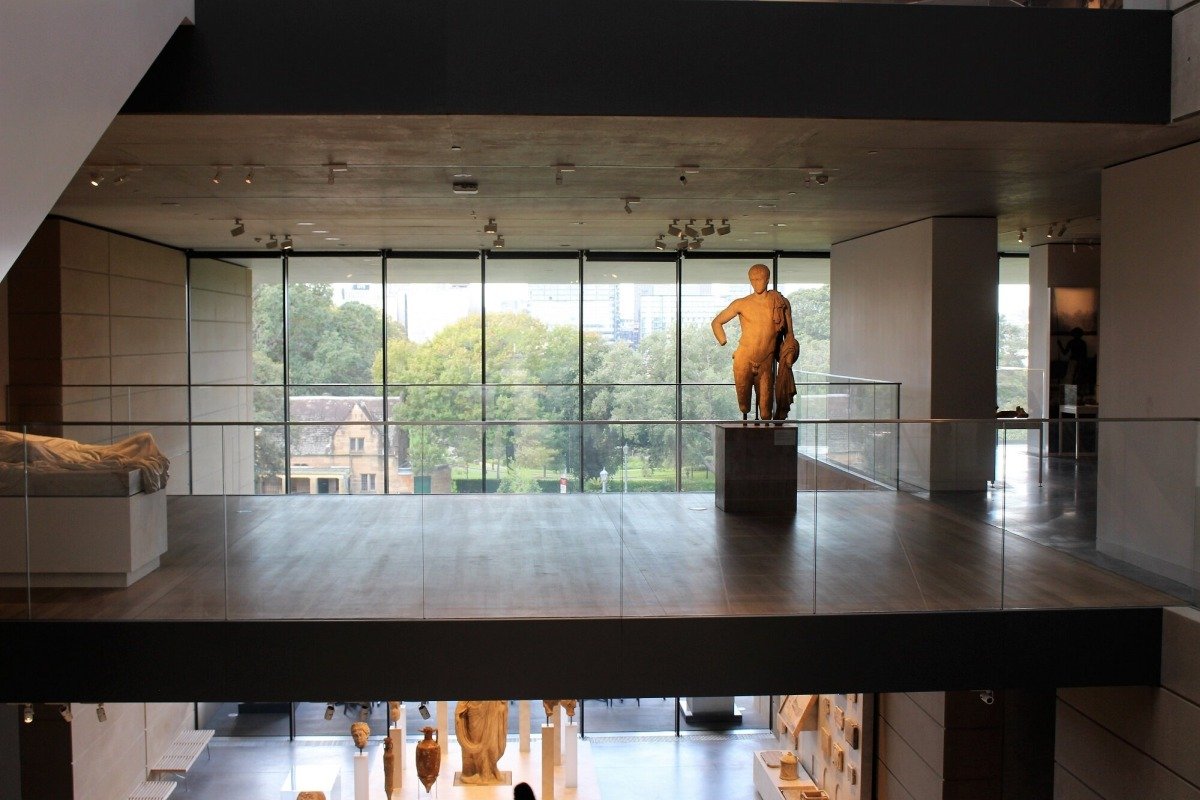
The building has a nice feel to it with plenty of natural light, soaring ceilings and an easy to understand layout.

Pleasant views of the area to the east of the building have been accommodated by the see through layout which includes large glass walls at the rear of the museum.

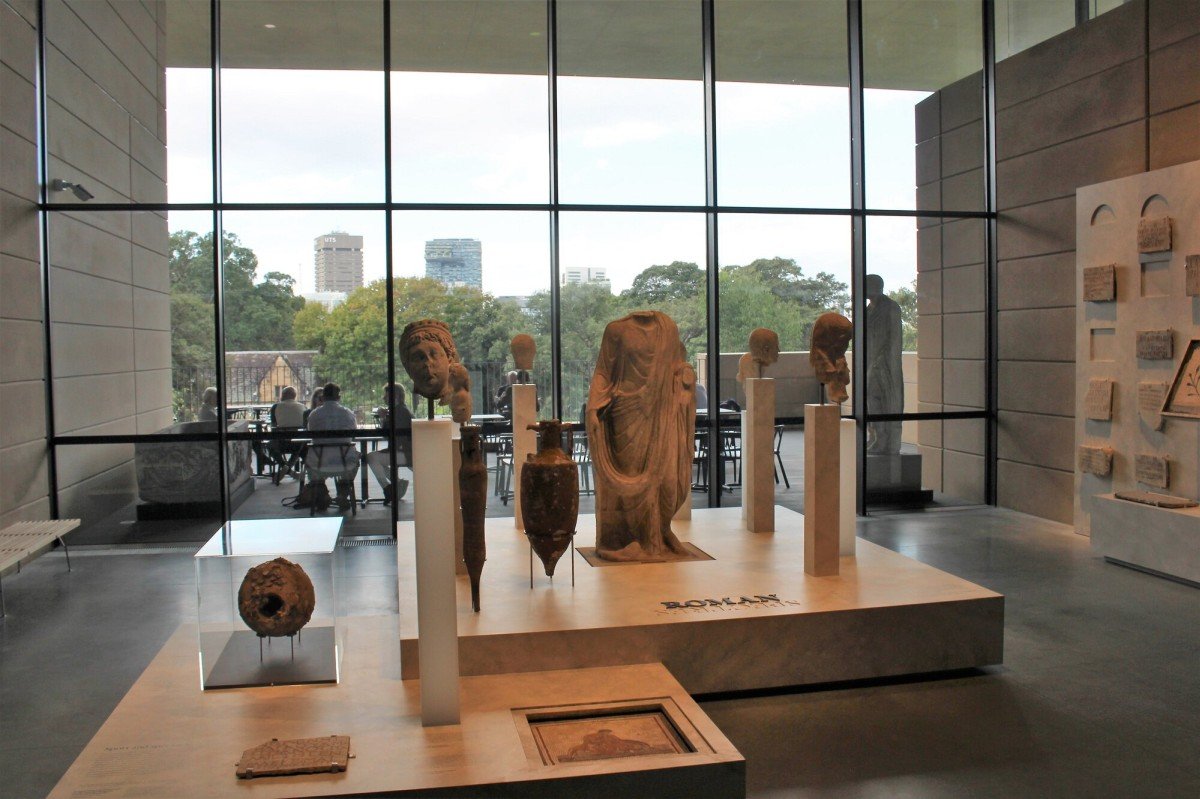
The collection in the museum can only be described as eclectic ranging from indigenous art to ancient Roman sculptures, Egyptian mummies, photographs and oil paintings. The variety of items on display reflects the range of artworks that have been donated to Sydney University over the decades.

A visit to the Chau Chak Wing Museum complements a visit to the University of Sydney’s wonderful historic building, the Quadrangle, which is a couple of hundred metres away across the lawn.

We recommend visiting both buidlings.

Entry to the museum is free and the museum is open 7 days a week. Check the website for times, as the weekend opening times are more restricted.

The Chau Chak Wing Museum is one of many options that can be included in a Sydney Nimble Tours bespoke tour.

walk this way

Coffee with your Roman?

see through design

pure style

Sydney custom itinerary - Gothic revival architecture Bronte House

We are happy to create a custom itinerary in any of our tours including highlights of Australian architectural history. Bronte House was built between 1843-1845 and the style of the building has been described as ‘Australian Gothic revival’. It is located a few hundred metres from Bronte Beach (a beach south of Bondi Beach).

Bronte House has some lush gardens which blend into the Bronte gully rainforest.  You could well be somewhere on the north coast of NSW.

Bronte House is only open on one or two weekends each year. From time to time the Waverley Council website posts the details of future opening dates.

The first picture is a view of Bronte House from the backyard followed by an image of a Moreton Bay fig as you look towards Bronte gully.

Moreton Bay figs are a native tree of Eastern Australian and have seriously large root systems. Definitely not a plant for the average backyard!

Bronte House from behind www.paullovelace.photography

Moreton Bay fig

Deer pool and Marley Beach walk

The Marley Track takes you from the road into Bundeena down to Marley Beach. The track is 3.6 kilometres long and if walked without stopping it will take around 75-90 minutes to reach the beach, depending on your walk speed.

On the way to Marley Beach the delights of the Deer Pool await. There were no deers in sight on our visit.

Sydney Nimble has only encountered a deer in the Royal National Park on one occasion and that was later in the day on the road to Garie Beach. The deer looked at us and we looked at the deer, both a little stunned, and then we drove on.

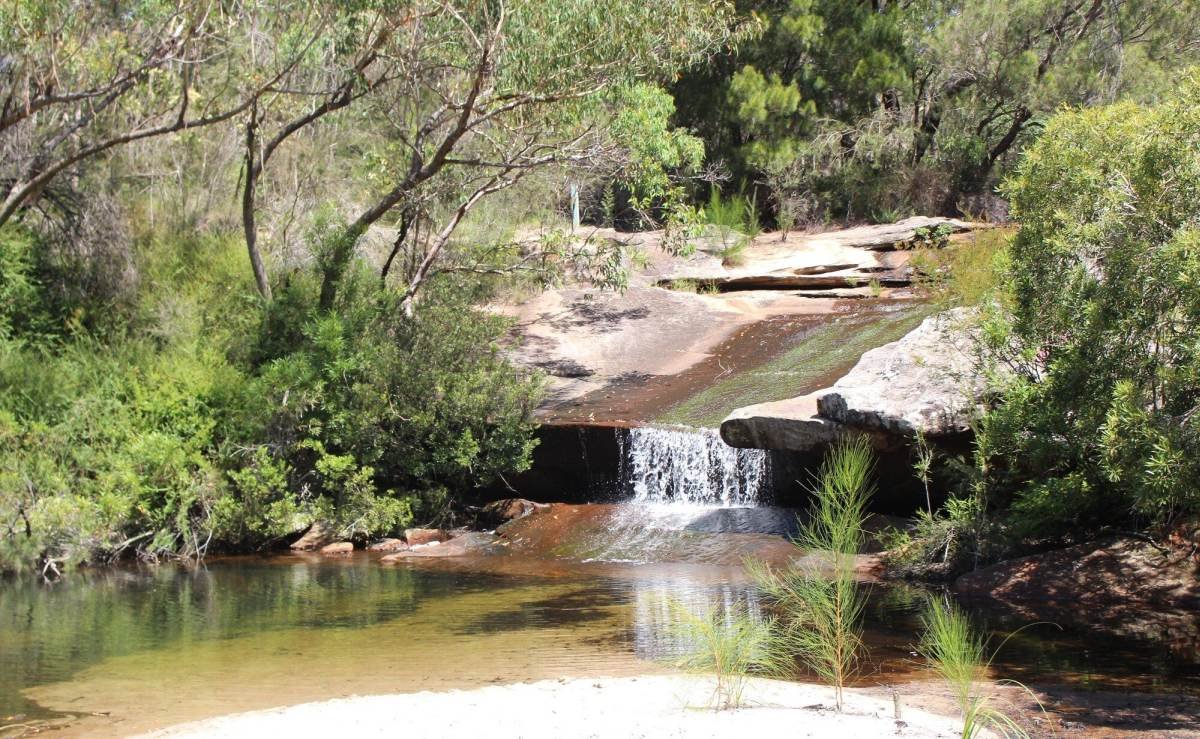
The Deer Pool is small freshwater pool with a sandy bank and the refreshing waterfall that allows, should you so choose, to emerge yourself underneath.

Go on, enjoy the splash.

After having lunch at this lovely spot we headed to Marley Beach and walked over the rolling sand dunes behind the beach.

Don’t underestimate what appears to be a relatively short walk, as sand dunes are an arduous surface to walk on.

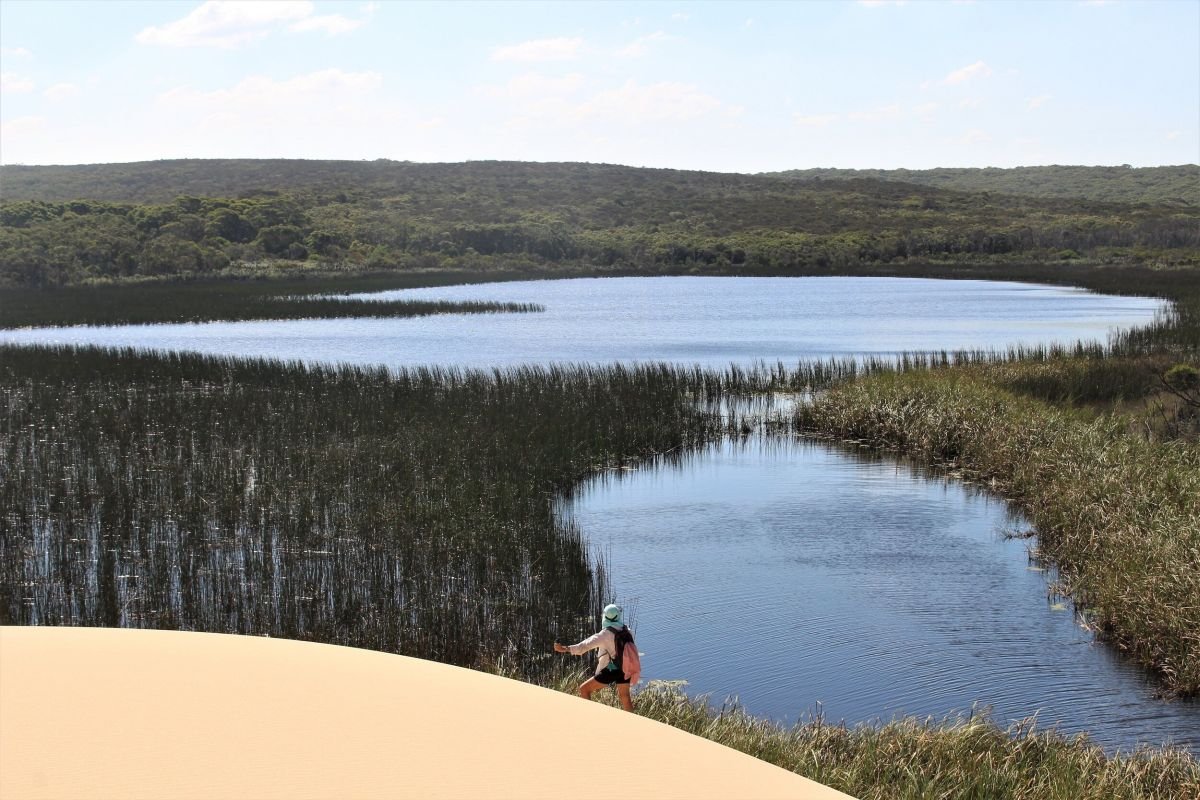
At the end of the dunes a sparkling lagoon awaits with many reeds.

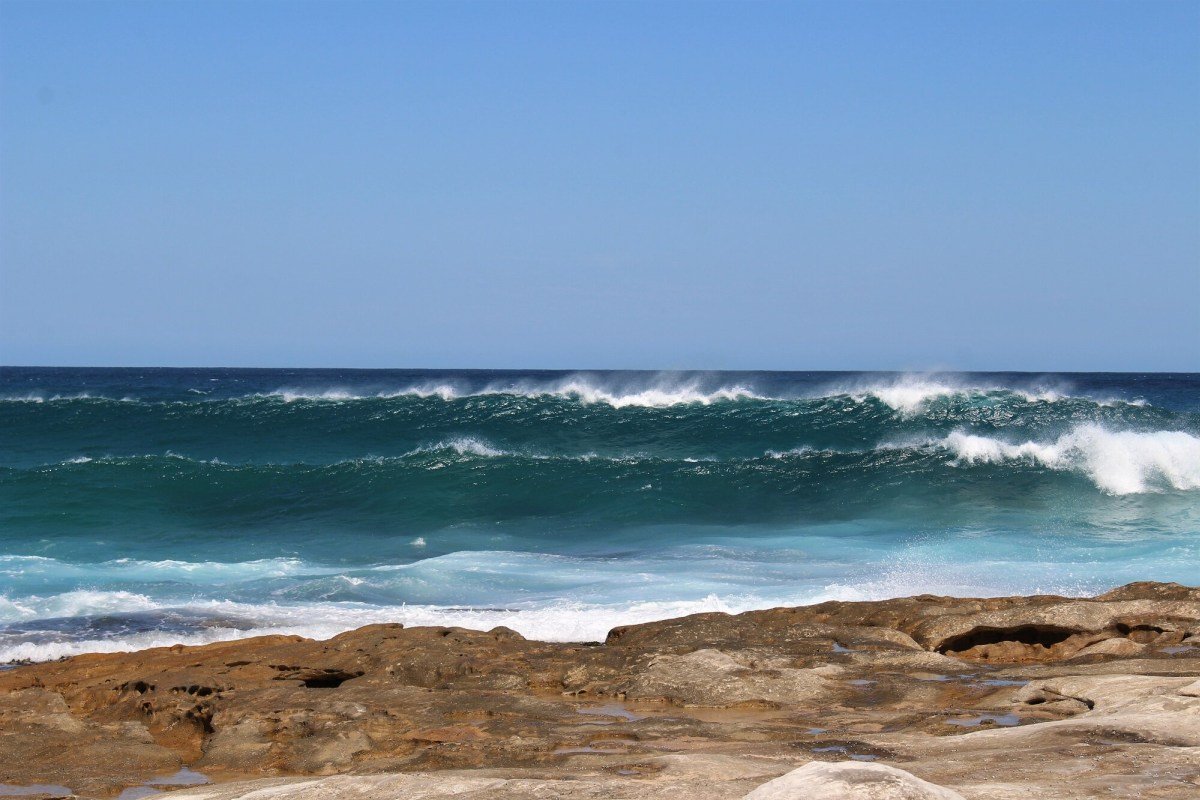
When we returned to the beach the surf was powerful and a potential swim was left for another day.

Time to head back but as it was a hot day why not have another swim at Deer Pool, which we did.

this pool is dear

and loving it

So pretty! Marley Beach Lagoon

thundering waves - south end of Marley Beach

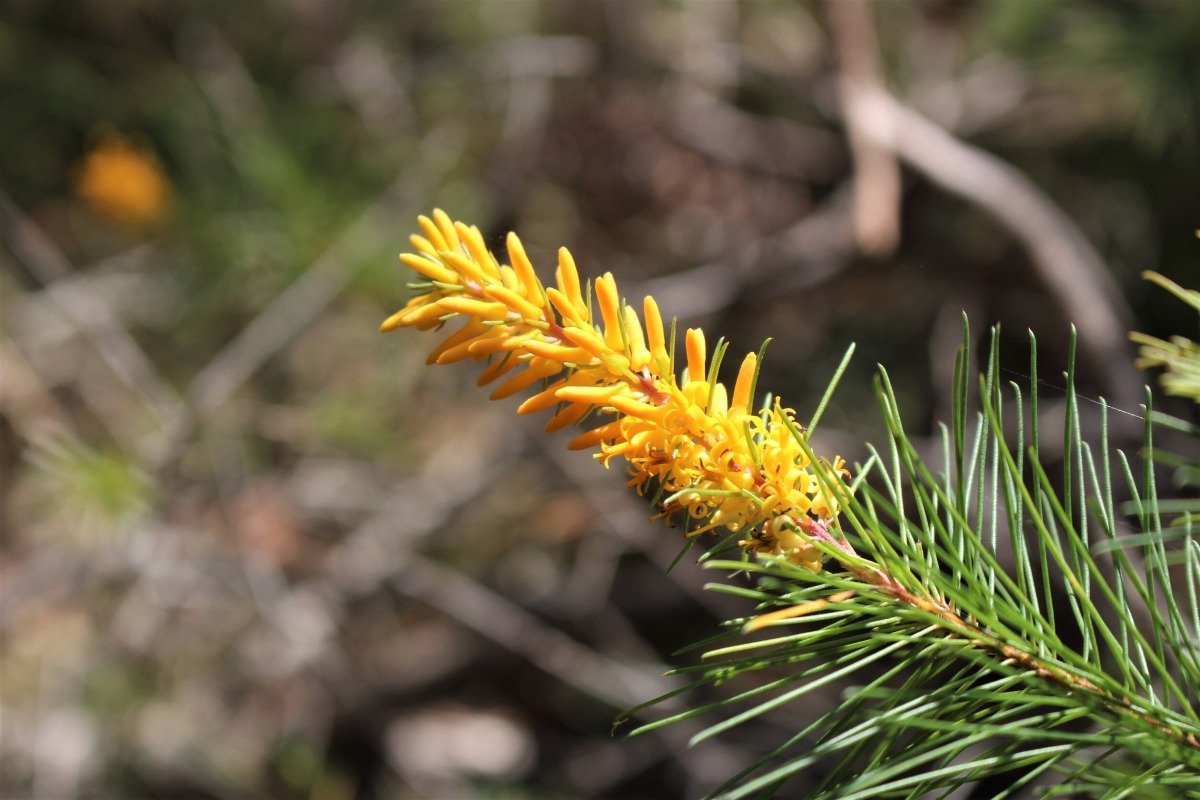
yellow power

Marley Beach surf

Karloo Pool, Royal National Park Tour Sydney

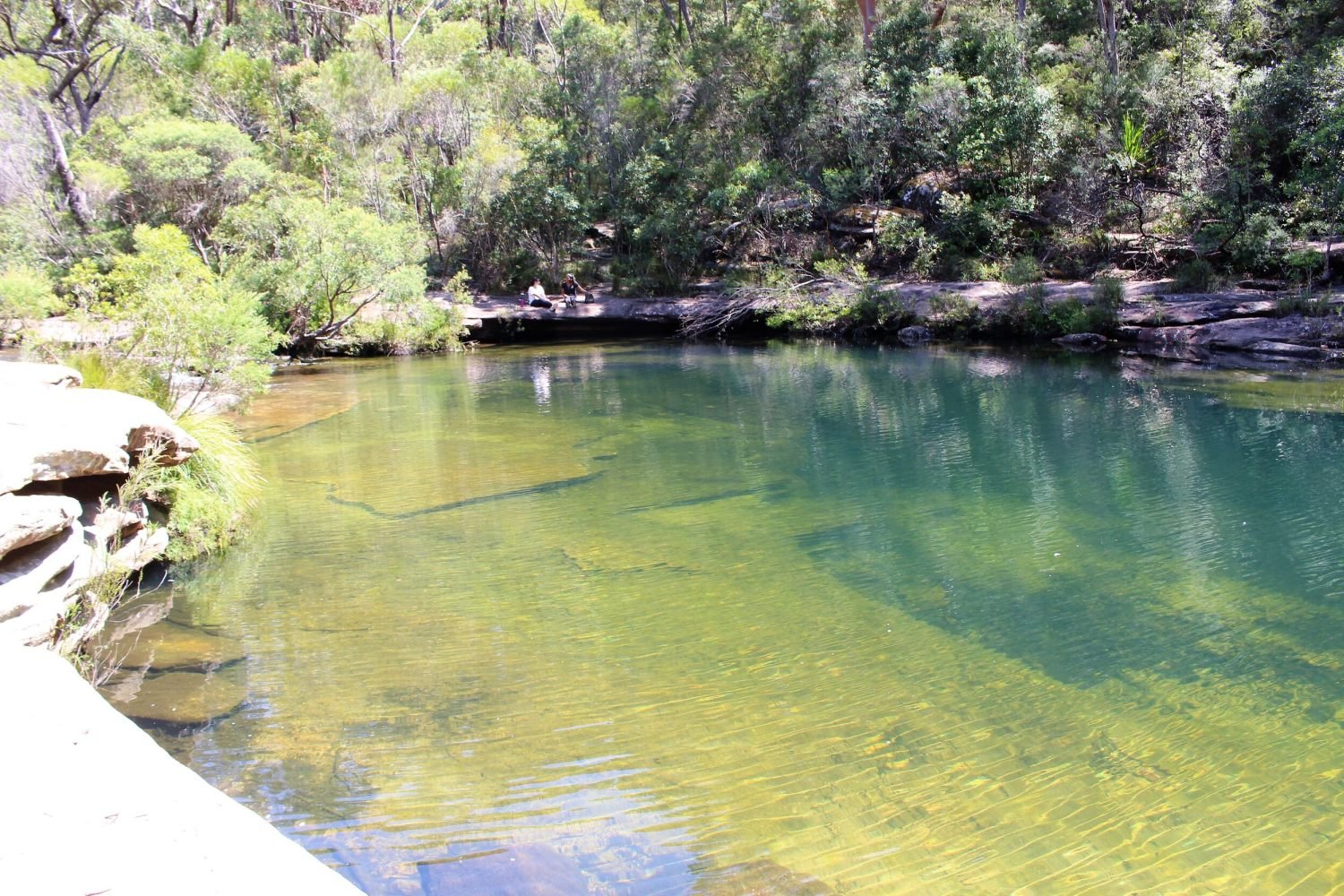
Karloo Pool is a freshwater pool located on Kangaroo Creek in the Royal National Park.

It takes around 40 minutes to walk down to the pool and little bit longer to return as the walk back is mostly uphill.

We visited Karloo Pool on a sunny February day. The sun brings out the best in the pool highlighting its clarity and emerald green colours.

Access to the pool is very easy as you wade in via some gently sloping rock ledges before hitting the deeper water.

The water temperature of the pool was fine for today’s visit and provided refreshing relief after the walk down to the pool from Heathcote Train Station.

A local goanna came out of the rocks to greet us or perhaps to share a dining experience. We did not indulge the goanna.

Kangaroo Creek offers many pools and a nearby pool provided a good reason for a second swim.  

Karloo Pool is yet another delightful swimming spot in the Royal National Park and a lot of fun to visit.

chilling at Karloo Pool

colourful local

gentle nearby pool

curling rock in a natural bush setting

Figure 8 rockpool near Gawarra Farm

The Figure 8 rockpool is located in the Royal National Park, south of Sydney. Most people park their vehicle at Garawarra Farm and walk from the carpark.

If you are planning a visit only consider visiting around low tide and when the seas are calm. In other conditions the rock platform can be very dangerous with breaking waves causing injury.

The walk to Figure 8 rockpool requires a long descent to Burning Palms Beach.

On the day of our walk the conditions were reasonable for surfing and the second photo shows a pleasant wave with an uncrowded line up.

Once you arrive at the beach walk south to the end of the beach and from this point some rock hopping is necessary to get around to the second headland.

The Figure 8 rockpool is as you would expect uniquely and naturally shaped in the form of the number 8.

It is a deep rockpool and photographs particularly well if the sun is shining.

Several other smaller interesting rockpools are located nearby.

The Figure 8 rockpool is in fact two potholes that have merged or coalesced.

Two theories are put forward in literature on the creation of potholes in rock platforms.

One view is that a pothole is created by the swirling action of sand, gravel, pebbles and larger rocks associated with wave action that grinds out the hole.

The depth however of the two potholes (approximately 3 metres) is thought to be of such an extreme that it is more likely that the pothole was created by the chemical breakdown of the rock, enhanced by salt and grazing molluscs.

After enjoying the rock platform you may wish to spend some time at Burning Palms beach.

Visiting Figure 8 rockpool is a fine day out but make sure your legs are in good condition!

Burning Palms Beach surf

going down

chill pool

gourd

fortitude required

Sydney Harbour Bridge

Perception is often everything in determining how we feel about things. The Sydney Harbour Bridge (SHB) is a structure that can be perceived in many ways. What do you see when you look at the SHB?

From one perspective the SHB is a large steel bridge that allows for the efficient transport of commuters. It provides a crucial transport corridor connecting the north shore of Sydney to the city and several expressways.

Alternatively the SHB can be evaluated from an engineering perspective.

The construction of the SHB began in 1924 and finished in 1932. It was built during a period when computer assisted design and manufacture did not exist. The bridge was built from both ends so that the arch was complete when the two halves of the bridge met in the middle.

Would the two halves align when it was time for them to be joined and how would a steel bridge of this scale deal with expansion and contraction in varying weather conditions. Would the bridge be strong enough to take the large daily load of passenger vehicles and trains.

From an identity viewpoint the SHB is one of Australia’s most well known and popular symbols. It was a brilliant achievement for a young nation and the 100th year anniversary of the commencement of construction is only four years away.

That achievement came at a price. Sixteen workers lost their lives during construction and it took over 50 years to pay off the cost of building the bridge (1988).

Aesthetics as opposed to any functionality was behind the decision to build two massive granite covered pylons at each end of the SHB arch. The four pylons are 89 metres in height and the light grey colour of the granite complements the bluey grey colour of the arch.

The pylons project strength and provide symmetry when the bridge is observed from the distance.

The SHB offers ongoing activities, although a lot of people would not see it in this way.

You can simply drive across it and enjoy the view, walk or cycle across it, climb it, visit the Sydney Harbour Pylon or see it sparkle on News Year Eve when it is used for spectacular fireworks displays.

One final perspective on the bridge is captured in the words of John Bradfield (chief engineer of SHB) who described it as ‘the blue arch of Heaven’.

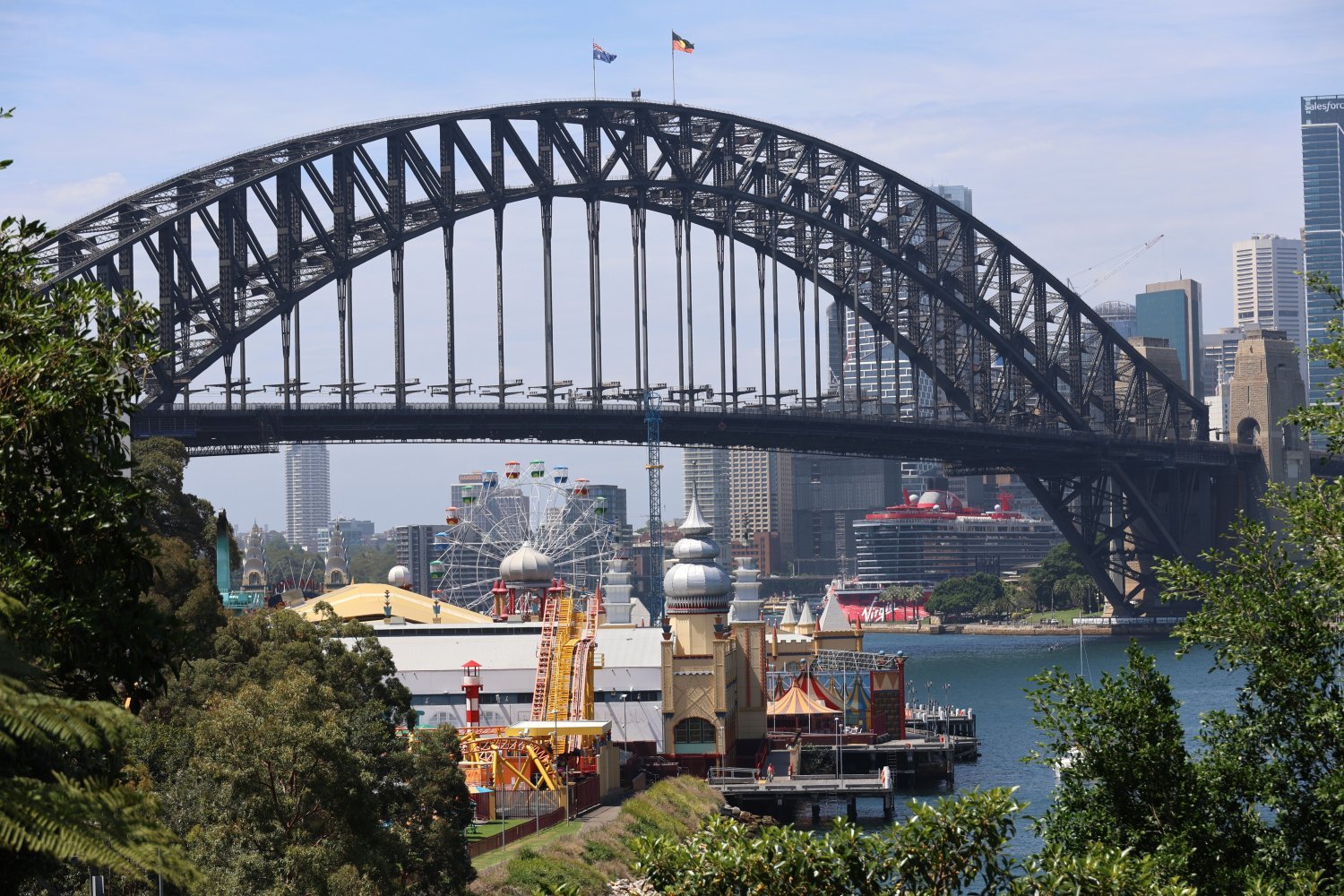
view from Lavender Bay

pylon power

Sydney Art Deco Architecture

Art Deco is a style that was adopted in both the exterior and interior of buildings, light fittings, carpets, ceramics, clocks, furniture, machines, household appliances, cars, ocean liners, jewellery, ornaments and posters in the period between the two world wars.

Art deco is unashamedly flamboyant and reflects the larger than life mentality of the 1920s.

The term Art Deco evolved in the 1960s from a shortening of two words, ‘Arts Decoratifs’, as used in the title of a 1925 design exhibition held in France: “Exposition Internationale des Arts Decoratifs et Industriels Modernes”.

Some of the characteristics and features of Art Deco designs include: geometric shapes in the form of triangles, trapezoids, zigzags; chevron patterns; straight lines and sweeping curves, layered shapes and symmetry; vibrant colors; stepped forms and modern materials.

Art deco buildings may include elaborate panels and ornate carvings.

Sydney has rich vein of Art Deco architecture both in the city and surrounding suburbs. If you look for it you will find Art Deco commercial buildings, apartments, cinemas, hotels, shops and lift foyers.

We recently visited a few of our favourite Sydney Art Deco buildings.

The towers in the entrance to Luna Park (last photo) have classic Art Deco features including vertical and horizontal straight lines, trapezoids, vibrant colours and scalloping in the upper part of the tower.

If you would like to visit some of Sydney’s best art deco buildings let us know and we can design a half day tour or adjust another tour to include an hour or two visiting these buildings.

 

The Metro Theatre (formerly Minerva Theatre) has striking vertical and horizontal lines and gracious curves.

Black marble adorns the entrance to the CML Building. The business chamber inside, which is occupied by a restaurant, is exquisite.

The lobby of the Primus Hotel (formerly MWSDB Building) is grand, with amazing height, glass ceiling and scagliola clad columns.

Geometric shapes galore

the entrance to Sydney’s palace of fun (Luna Park)

Belmore and Carrington Falls, NSW

As part of the plan to add to our range Sydney Nimble Tours visited Belmore and Carrington Falls.

These two waterfalls are located in the Southern Highlands and the drive time from the Sydney CBD is around 2 hours, or slightly more depending on traffic.

First stop was Carrington Falls which is located in the Budderoo National Park.

Carrington Falls is a two pronged waterfall. Water cascades from two separate points. Another smaller waterfall and pretty pool is also located nearby at Nellie’s Glen.

After Carrington Falls we visited Robertson which is a town near Belmore Falls.

Robertson has amongst other things, a good pub, a highly popular pie shop and a gimmicky big potato, which we refused to photograph!

Belmore Falls is exceptional in that first waterfall drops into a pool (midway pool), and water from that pool then flows down to another cliff face where a second waterfall starts.

The surrounding sandstone cliffs and Eucalypt forest add to the brilliance of two waterfall spectacle.

Belmore Falls can be seen from two main vantage points.

One is accessed by parking on the roadside after driving across a small portion of road which dissects the Barrengarry Creek. It had a few centimetres of water running across it during our visit.

From this point you are at the start of the falls and the midway pool is almost directly underneath the lookout. It is a long drop down to the pool.

Focus on the gentleman in red, who posed for us in the fourth photo, to gain a perspective of the distance down to the pool.

The other vantage point, has several lookouts.

It is a short drive away and allows you to photograph the Kangaroo Valley and the falls from the distance (last photo).

We enjoyed our day in the Southern Highlands and will be adding it to a new tour.

Carrington Falls

Nellie’s Glen

top of Belmore Falls

a decent drop but not one to drink

Belmore Falls is magnificent

Blue Mountains Tour - Sydney's fascinating bush ecosystem

It’s time we had a conversation about Epicormic growth and lignotubers!

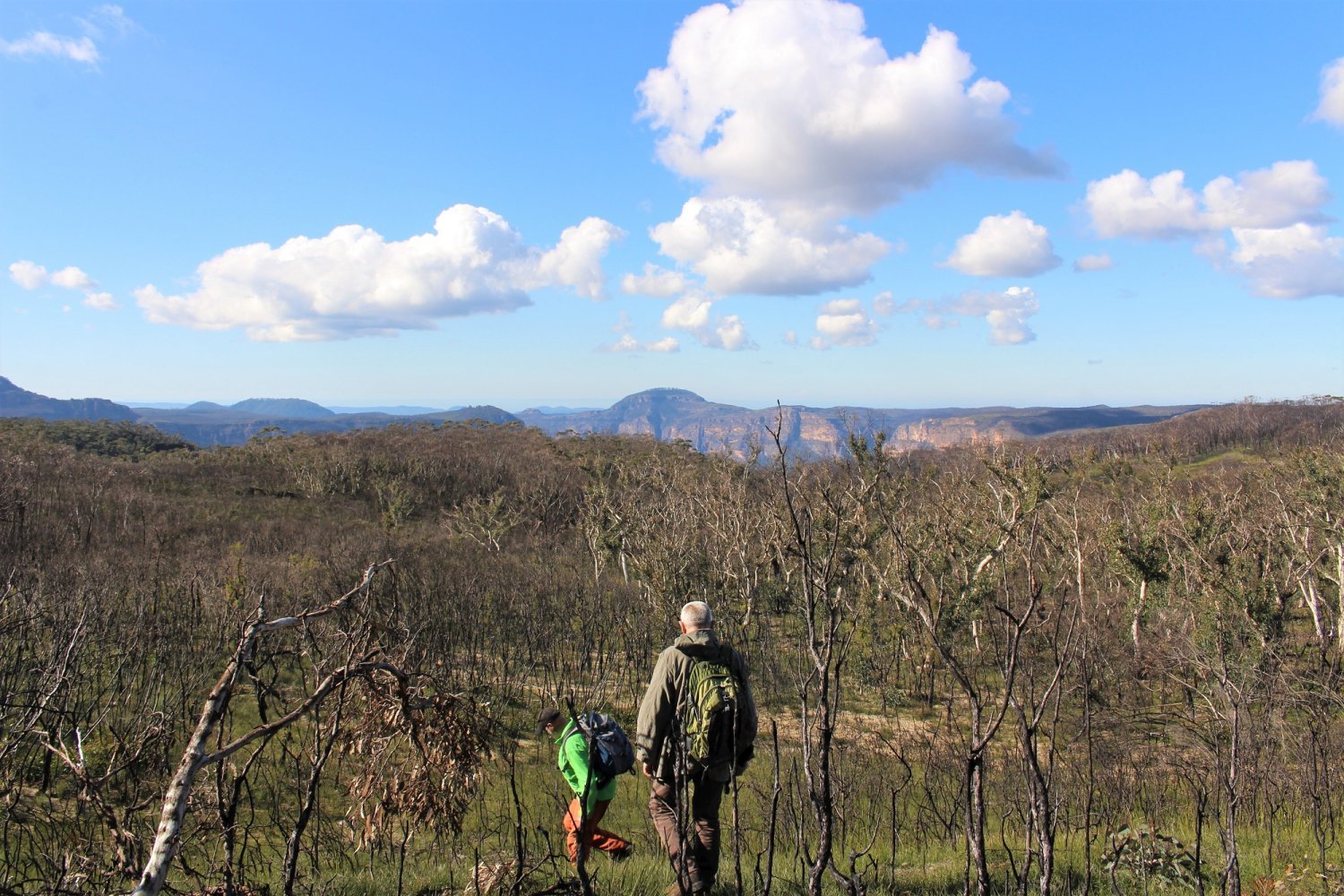
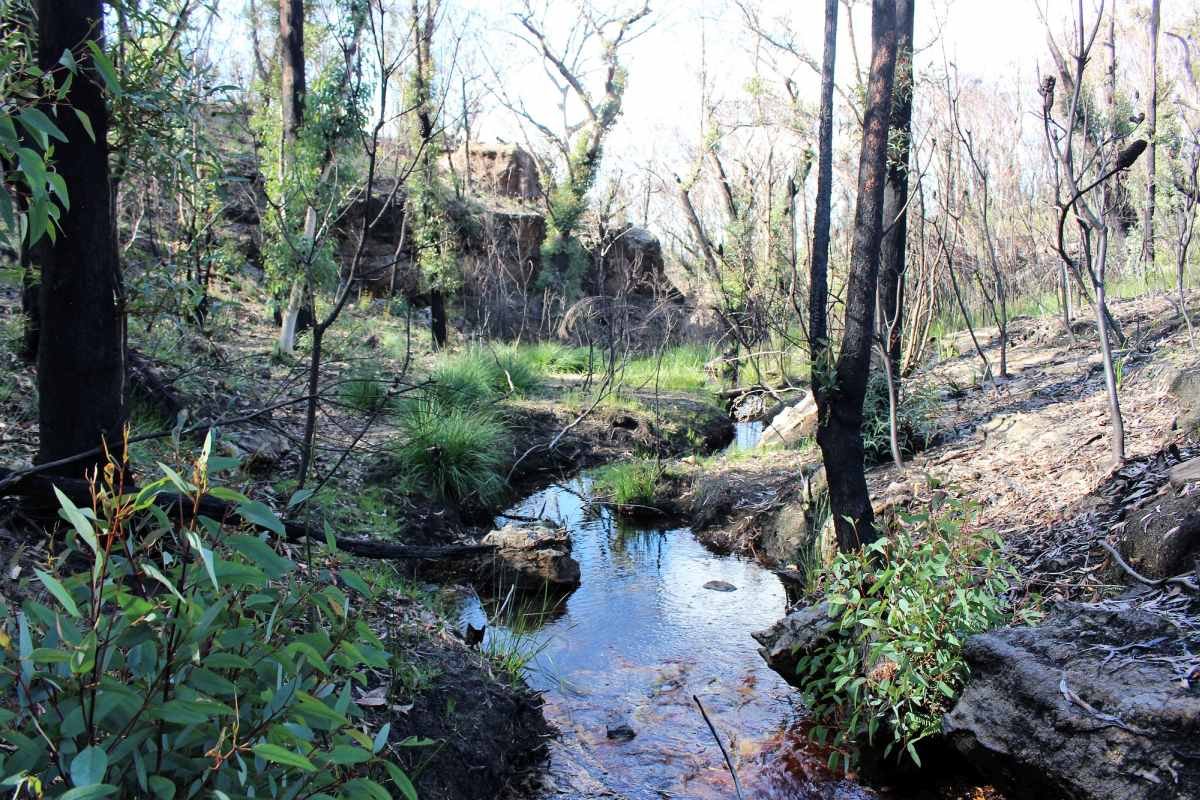
Sydney Nimble Tours visited the Blue Mountains to enjoy a bush walk and see how the bush is recovering from the January fires.

And the news is we have a compelling recovery story. The new growth is vigorous and brilliant to see.

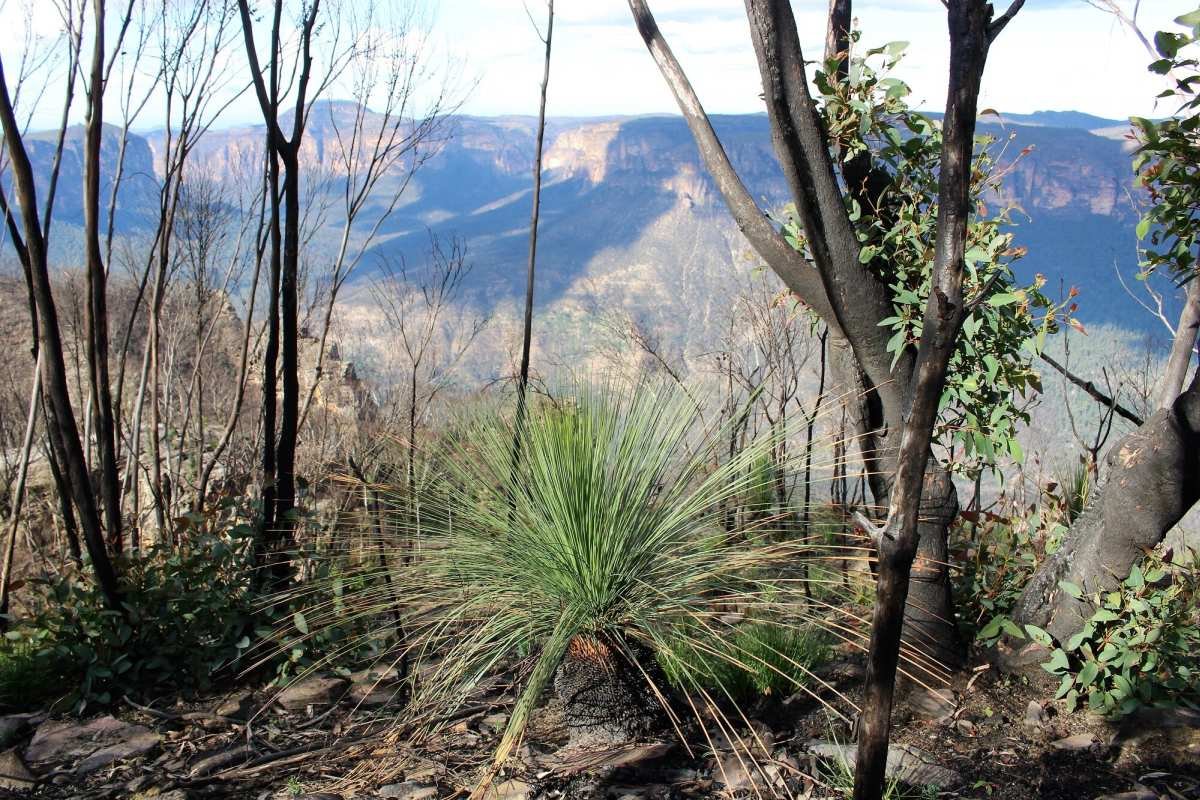
Lush ferns have come back in a small gully we visited, whilst the remarkably fire resistant grass trees look like they were never touched by fire.

Many of the Eucalypt trees are bursting with fresh pockets of growth.

Some of the Eucalypts have within a few months completely shed their burnt bark revealing a new layer of bark underneath (see first photo below).

More detail - a bit technical

The Australian bush is a fire prone ecosystem. It is a tough place. Two ways in which Eucalypt trees may regenerate is through epicormic growth and lignotubers.

Epicormic buds are dormant growth buds located deep beneath the bark of gum trees. Their positioning under the bark provides insulation from fire.

In normal times they are not active due to the hormones of buds above them. However after a fire or other stressful event these buds are activated.

Once activated the epicormic buds allow the tree to resprout with new growth in different places on the trunk and branches of the tree.

Lignotubers provide another way for some Eucalypt species to survive a bushfire.

Although a Eucalyptus tree may not survive an intense fire this form of regrowth occurs via large underground roots which remain alive.

New growth will sprout from these roots which are close to the fire damaged tree.

Can you see the two types of growth in the photos?

remaining patch of burnt bark

lush growth

rugged mountain types

grass trees are programmed to survive a fire

stream tranquility

Cape Solander surfing Sydney

It is late May 2020 in Sydney and the seas have been up due to a low pressure system off the coast of New South Wales.

There are a few places in Sydney that surfers seek out when large swells arrive.

One of these places is Cape Solander, which is located just south of the entrance to Botany Bay in the Kamay Botany Bay National Park.

Cape Solander was named after the Swedish naturalist, Daniel Solander, who visited Australia on the Endeavour in 1770.

Cape Solander is a hair raising break that is suited to surfers who are highly skilled, courageous and fit.

A give away for a large wave is the spray you can see at the top of the wave (first photo).

The waves at Cape Solander only start to perform when a reasonable swell is around, otherwise there is nothing to catch.

The boogie board rider in the photos was not being toed in whilst the stand up surfer at a nearby cliff break to the south (see last photo) was assisted by a jet ski.

If the seas are up and you want to experience the raw power of the sea Cape Solander is hard to beat.

You may also be treated to some spectacular surfing.

Sydney Nimble Tours can include a visit to Cape Solander in one of our days out.

take off

solid wave size

end of the line

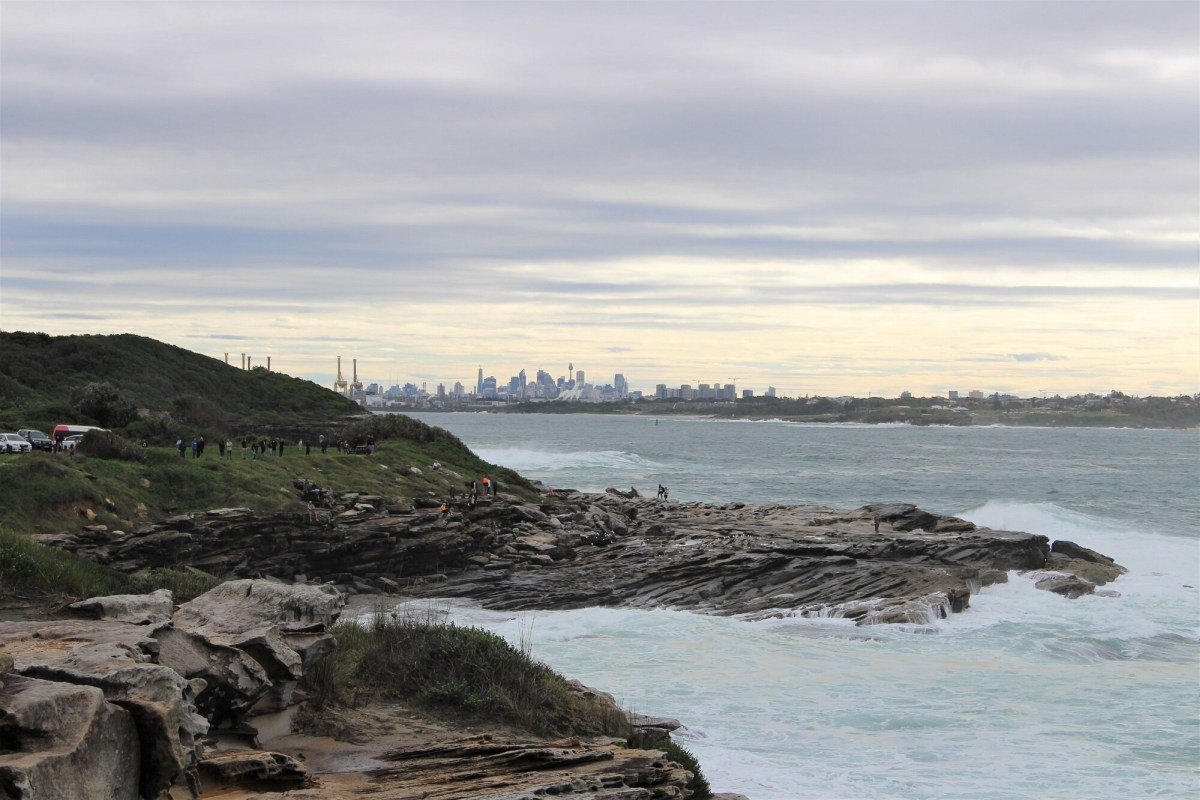
grassy knoll views, city in background

another powerful break

Northern Beaches Tour Spectacular Sydney Harbour lookout - Georges Heights

Sydney Nimble Tours visits Georges Heights on our Northern Beaches, Sydney Harbour, National Park tour.

This area has spectacular harbour vistas that include the entrance to Sydney Harbour, Watsons Bay, Rosebay and Shark Island. A good view of the city of Sydney is on offer if you look south west.

The harbour aspect also provided a solid location to install defensive artillery should Sydney Harbour come under attack.

Military memorabilia in the form of gun pits, fortifications, canons and anti-aircraft guns have been well maintained and are on display at Georges Heights.

A former military hospital which was built for patients from World War I houses the anti-aircraft gun.

Close to the gun pits is the Gunner’s Barracks, a fortified sandstone building built in the 1870s. This building was constructed to accommodate artillerymen whose job was to look after the artillery and if necessary fire it.

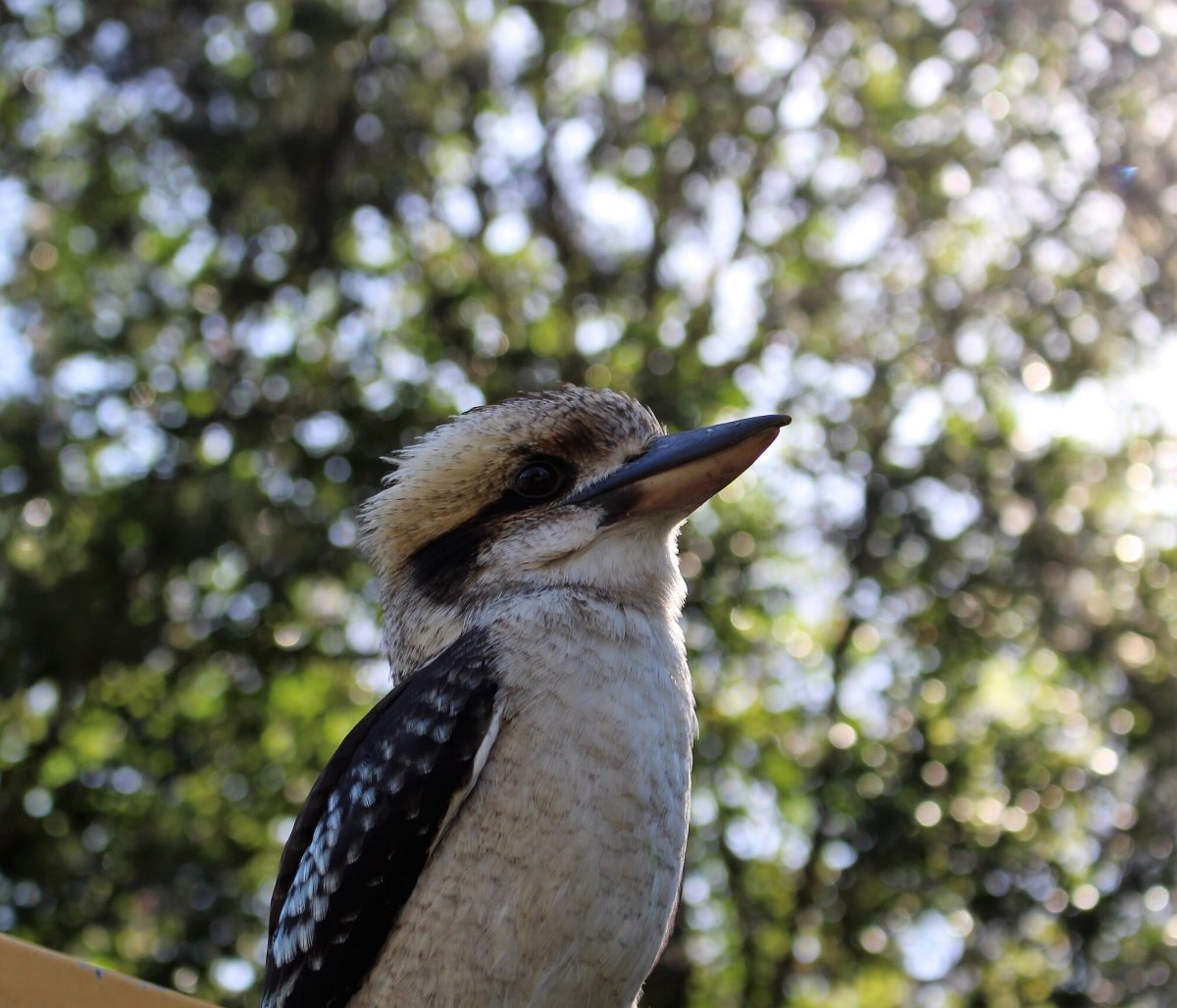
In the course of a recent visit to Georges Heights we came across a chilled kookaburra resting on a sign near the Barracks.

Our feathered friend was most accommodating and happily posed for photographs.

The kookaburra is a member of the Kingfisher family and has one of the most unusual bird calls.

The laughing Kookaburra is not laughing at another kookaburra’s jokes! The cackle of the Kookaburra is a territorial call aimed at warning other birds to stay away.

Be gone, the insects, lizards, rodents and small snakes in this patch are mine!

The word kookaburra is yet another example of an indigenous word enriching our language and originates from the Wiradjuri word “guuguuburra”.

a delightful Australian bird

boom

loud and proud

Dolphins! Animal spotting The Royal National Park Sydney

Dolphins at Eagle Rock, The Royal National Park Tour

Sydney Nimble Tours took a newly married American couple to Eagle Rock two days ago.

Whilst at the rock we had the good fortune of coming across a group of dolphins playfully surfing the waves.

The view from the cliffs above offers great clarity and it was splendid to see the dolphins enjoying themselves.

The waterfall at Eagle rock cascades directly into the Pacific Ocean and it has a good flow at the moment.

For a private Sydney tour of the Royal National Park we have three options for different journeys in the Park.

You may get to see dolphins, a distant whale or even an echidna!

Sydney surfing of the marine kind

Sydney waterfall

re-charging after walking to Eagle Rock

Spectacular sightseeing on our Blue Mountains day tour

Sydney Nimble Tours took two travellers on a personalised tour of the Blue Mountains a few days back.

It was our first tour since the recent fires and we did so with some trepidation.

The bush has been badly burnt in some parts whilst in others it has been left untouched.

The beauty of the Blue Mountains still remains and it was pleasing to see new growth on many eucalyptus trees.

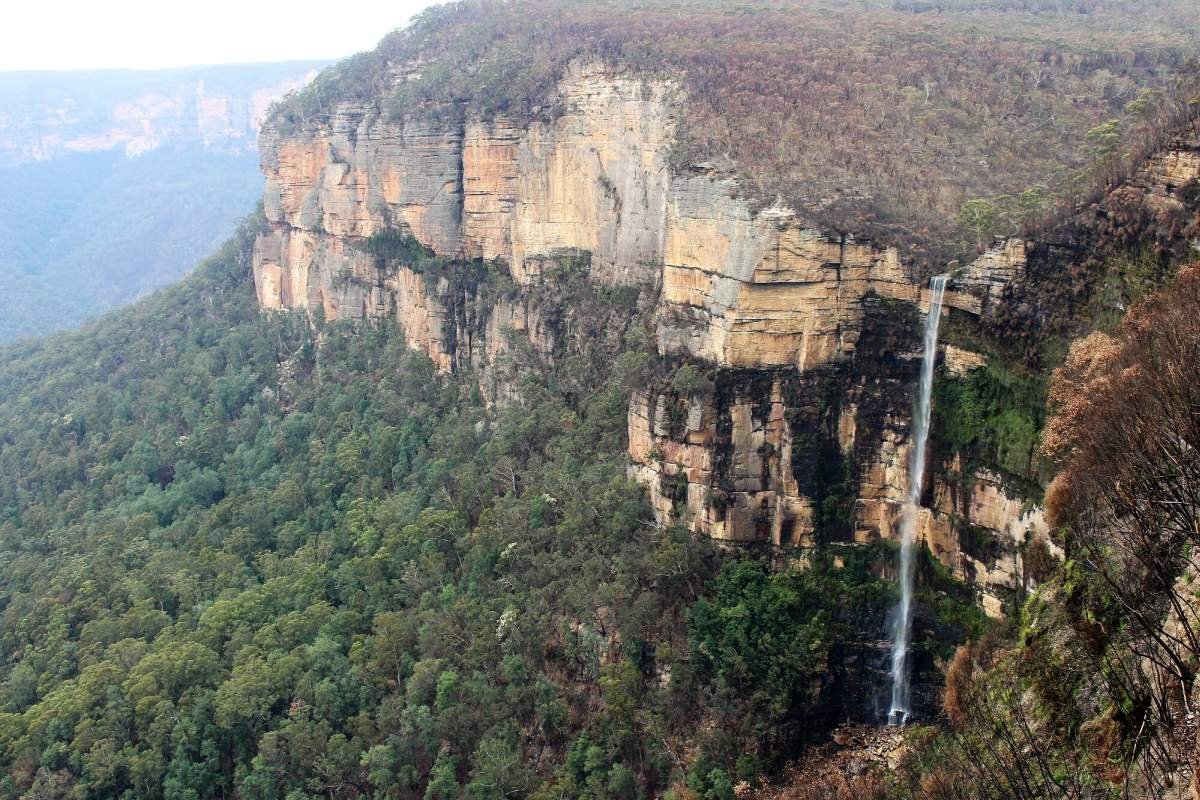
Due to recent rains there was plenty of cascading water at the Bridal Veil waterfall.

A few photos from our recent trip.

Bridal Veil Waterfall

green Jamison valley can be seen from Lincoln rock

a hard job but somebody has to hold this rock up

Eagle Rock - Royal National Park Coastal Walk

Returning to the Royal National Park yesterday was like seeing an old friend.

This park never ceases to provide a wonderful natural environment. And fortunately the park has been spared from devastation of recent bushfires.

The tour group was impressively hatted up and had no trouble with the Eagle Rock walk. The walk was followed up with a visit to Symbio Wildlife Park.

We also noticed a few late season blooming banksias and wildflowers.

A blooming banksia is easy on the eye

marching to Eagle Rock

Symbio Wildlife Park - hanging on a branch all day can be hard work

Swimming Spots in Sydney National Parks

A bush walk followed by a cooling swim in the heat can't be beaten.

Sydney Nimble Tours recently visited a waterfall and refreshing pool in the Blue Mountains.

The next few months provide a great opportunity to enjoy the water, whether that be a swim at the beach, lounging in a rock pool or visiting a freshwater pool.

On a recent Sydney Harbour, Northern Beaches & Ku-Ring-Gai National Park tour a visitor made the point that Sydney beaches have a lot of swimming pools.

The comment is spot on and if you are interested we can easily include a short visit to a saltwater pool or a protected harbour beach as a part of the day.

By only taking small groups, including Sydney solo travellers, Sydney Nimble Tours can be truly nimble getting you to places that Sydney visitors often don’t see.

trickling waterfall

temperature drops as you head to the darker water

Curl Curl Ocean Pool at dusk

Curl Curl beach is a handy place for a cooling swim

Sydney Walking Tour The Royal National Park

Our Eagle Rock walking tour is a popular option for visitors.

Sydney Nimble Tours visited Eagle Rock on Friday, walking north from Garie Beach. The walk provides fantastic views from the headland of Garie Beach to the south and the coastline facing east.

The walk finished at Eagle Rock and the waterfall just near it. This place is spectacular and when a large wave hits the cliff a loud thunderclap can be heard for hundreds of metres.

The ocean near the Eagle Rock is not deep and the sand can be seen when you look down from the cliffs.

The water on a sunny day takes on a light emerald green colour.

A walk to Eagle Rock takes around 2 and a half hours return.

If you would like a Sydney hike there are so many options - easy and short up to longer and more expansive.

Talk to us and we can work out what is best for you.

up the creek

the eagle is stranded

green machine

Looking south from Garie Beach headland

Royal National Park Tour plus koalas

Sydney Nimble Tours visited Wedding Cake Rock yesterday.

We then left the Royal National Park and headed to Symbio Wildlife Park. One option available with our Royal National Park Tour is to include a visit to Symbio.

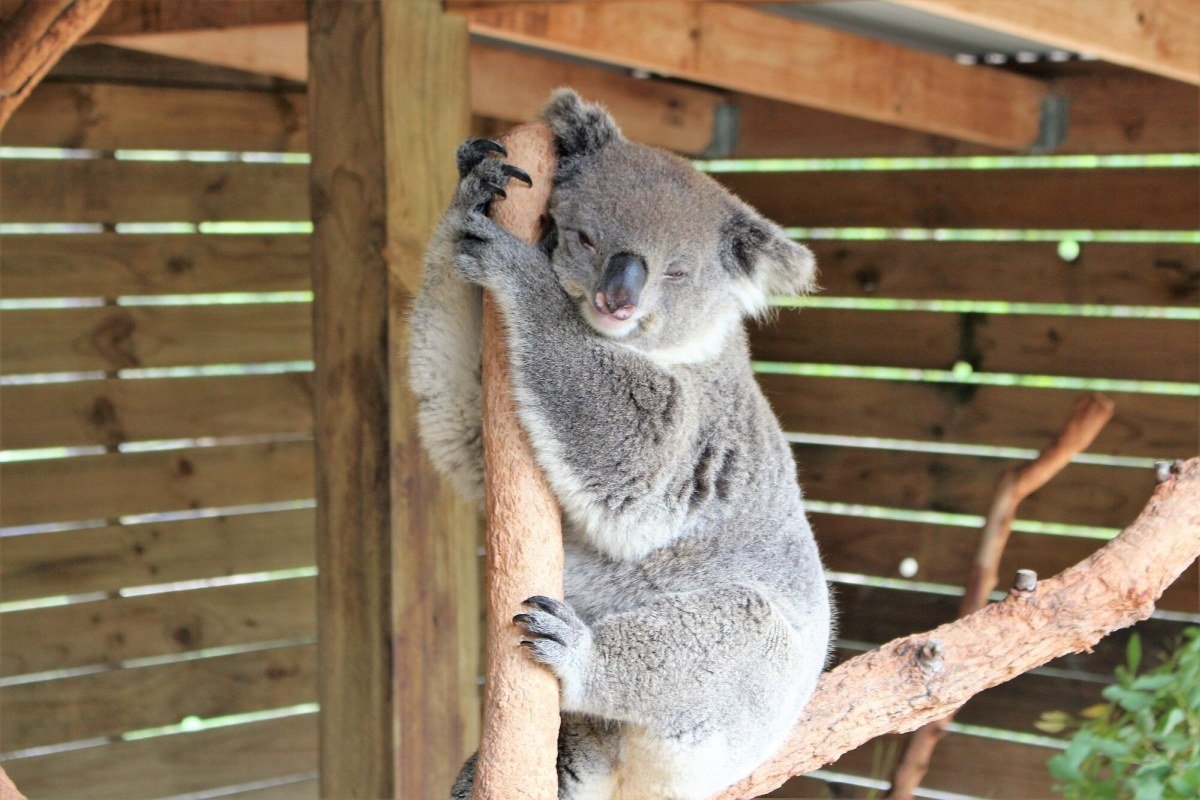
One of the favourite animals at Symbio is the koala, which is a herbivorous marsupial native to Australia.

It is often a rush to make the park by 3.00pm for the Koala Presentation. The effort to see the koalas in an active state is time well spent.

Koalas sleep a lot (up to 20 hours a day) due to the poor nutritional value of the food they eat (mainly gum leaves). Sleeping conserves energy.

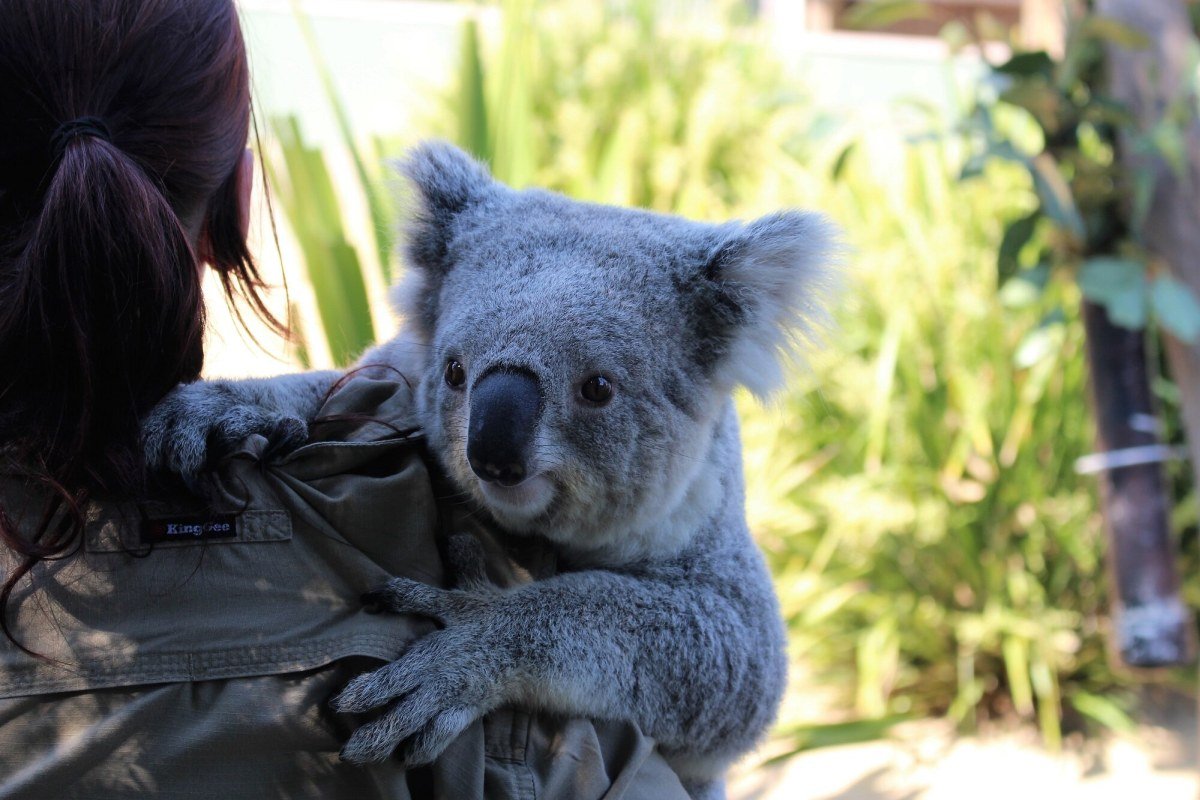
We were very fortunate to get some close up photos of the koalas whilst they were with staff for a short period, after the 3.00pm presentation.

These guys are a joy to behold and one of the cutest animals on the planet.

I like the look of those gum leaves

this is my domain

khaki shirts are so easy on the claws

would you like a cuddle

Blue Mountains Tour - Mt Tomah Botanic Gardens

The Mt Tomah Botanic Garden is located in the Blue Mountains and is a cool climate garden. It can be found on the Bells Line of Road.

It is the first stop on one of our Blue Mountains itineraries.

Mt Tomah is one of three Botanic Gardens located in Sydney and surrounds.

The other two exist at Mt Annan and just near the city, the Royal Botanic Gardens.

The Botanic Gardens website for the Blue Mountains advises that the indigenous meaning of the word ‘Tomah’ is reputed to be tree fern.

Mt Tomah is more than alive with tree ferns. It has spectacular flowers and colour. Although they are of a high standard year round, Spring is the best season to visit these gardens.

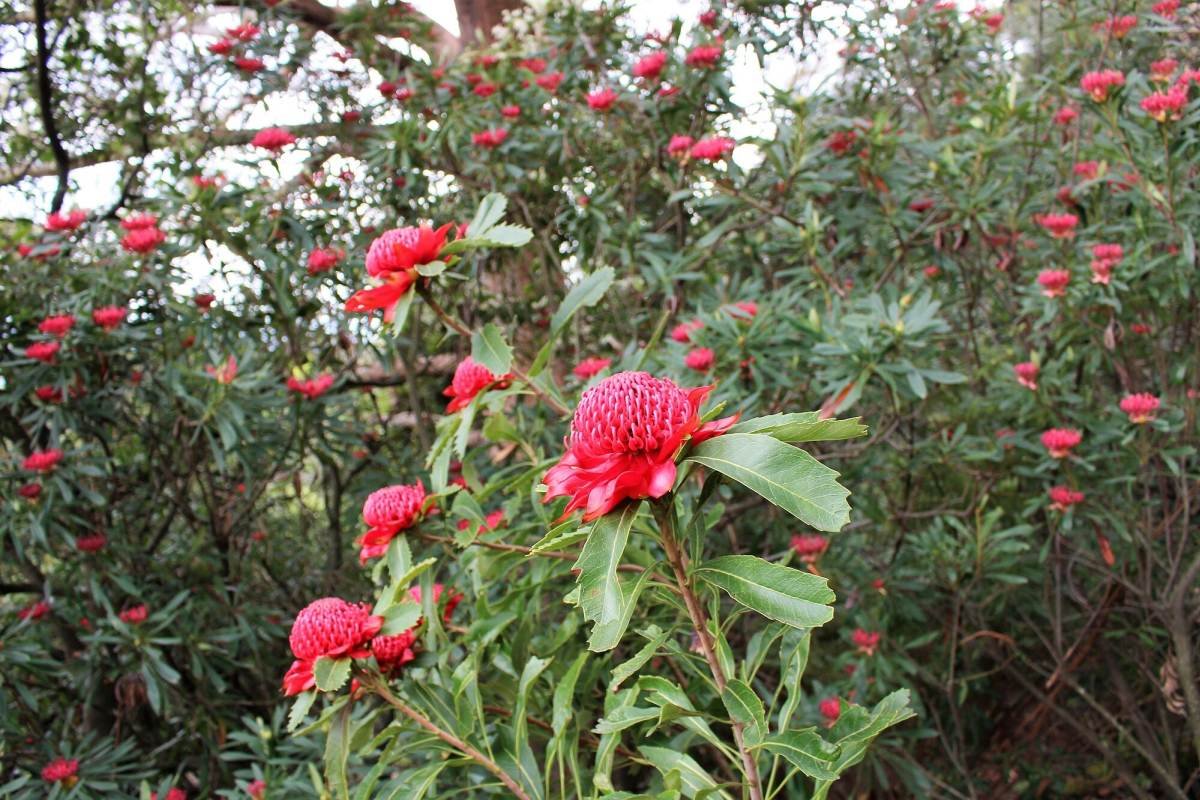
The waratahs are sensational, whilst the proteas are also brilliant when in flower. In our opinion Mt Tomah is a must do inclusion in any Blue Mountains tour during Spring.

This blog is deliberately short as it is best to let the flowers do the talking. Enjoy the magic.

Protea perfection

proud and yellow

majestic

the viewing platform

wave after wave of waratahs came at us

Royal National Park tour Australian wildflowers - Gymea Lily

One of the most delightful plants in the Sydney region is the Gymea Lily. It is flowering at the moment and if you keep your eyes out there are plenty to see on a drive through the Royal National Park.

The leaves are sword like and sprout from the ground. The flower is located on the top of a long narrow green shoot which can reach up to six metres.

When these plants are not in flower they are just your average plant in the bush. When they flower it is a whole different story.

Arising from the leaves below is a crimson red flower that will immediately catch your eye.

The Gymea Lily takes a while to flower, at least five or more years. They are a hardy native and a bush fire does not set the plants back for long.

The word Gymea originates from the local aboriginal people and is attributed to either the Dharug or Dharawal Language group. The word means ‘a small bird’.

When you look at the plant in flower the name makes sense.

The flower is a long way from the plant, many metres, and looks like it could be flying if you don’t take in the long narrow stork supporting it. It is roughly the size of a small bird.

Two nearby suburbs also go by this name, Gymea and Gymea Bay.

If you take the Royal National Park tour with Sydney Nimble Tours in Spring you will see the Gymea Lily and a number of other native plants in flower.

The flowers of the Gymea Lily are followed by oval shaped capsules and in late summer the capsules split and release seeds.

It is a great time to be out and about in a Sydney national park.

sword shaped green leaves and long green shoot

a striking Australian wildflower

wild red

power of one plus Australian navy vessel and Sydney city