
Bondi Beach & Eastern Suburbs Private Tour
Harbour Cliffs, Coastal Walks & Urban Sydney
Sydney's eastern coastline offers a different perspective on the city — sandstone cliffs meeting open ocean, tidal pools carved into rock platforms, and historic harbour headlands at the entrance to Port Jackson. Inland, Victorian terrace streets give way to contemporary galleries and quiet reservoir gardens that most visitors never find.
This private tour explores Bondi Beach, the coastal walk to Bronte, Watsons Bay and South Head, and Sydney's eastern neighbourhoods — a day that moves between ocean, harbour and city at your own pace.
Bondi Beach
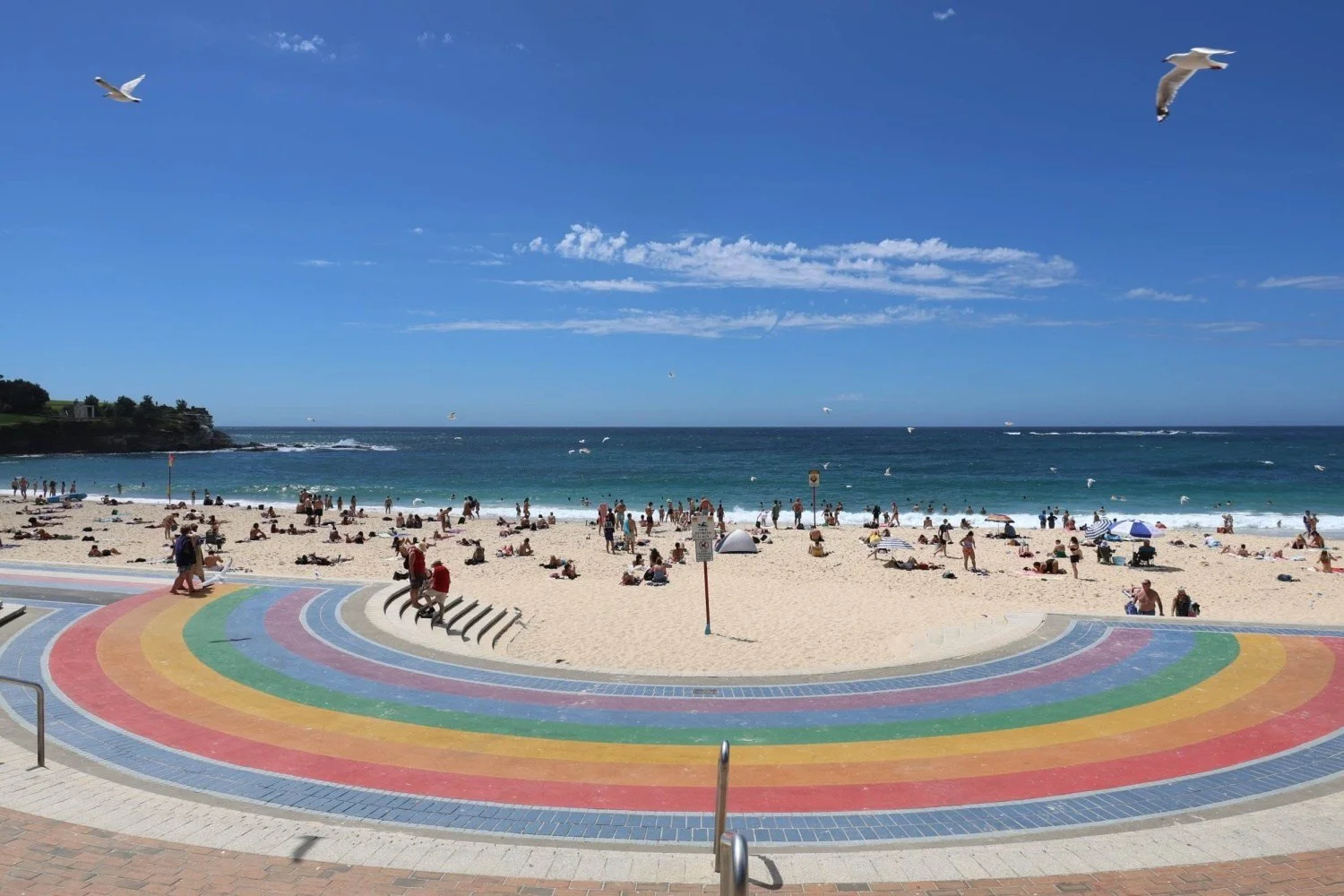
Bondi is a crescent of sand framed by the Pacific and flanked by sandstone headlands — a beach that has been drawing people since the world's first surf lifesaving club was founded here in 1907.
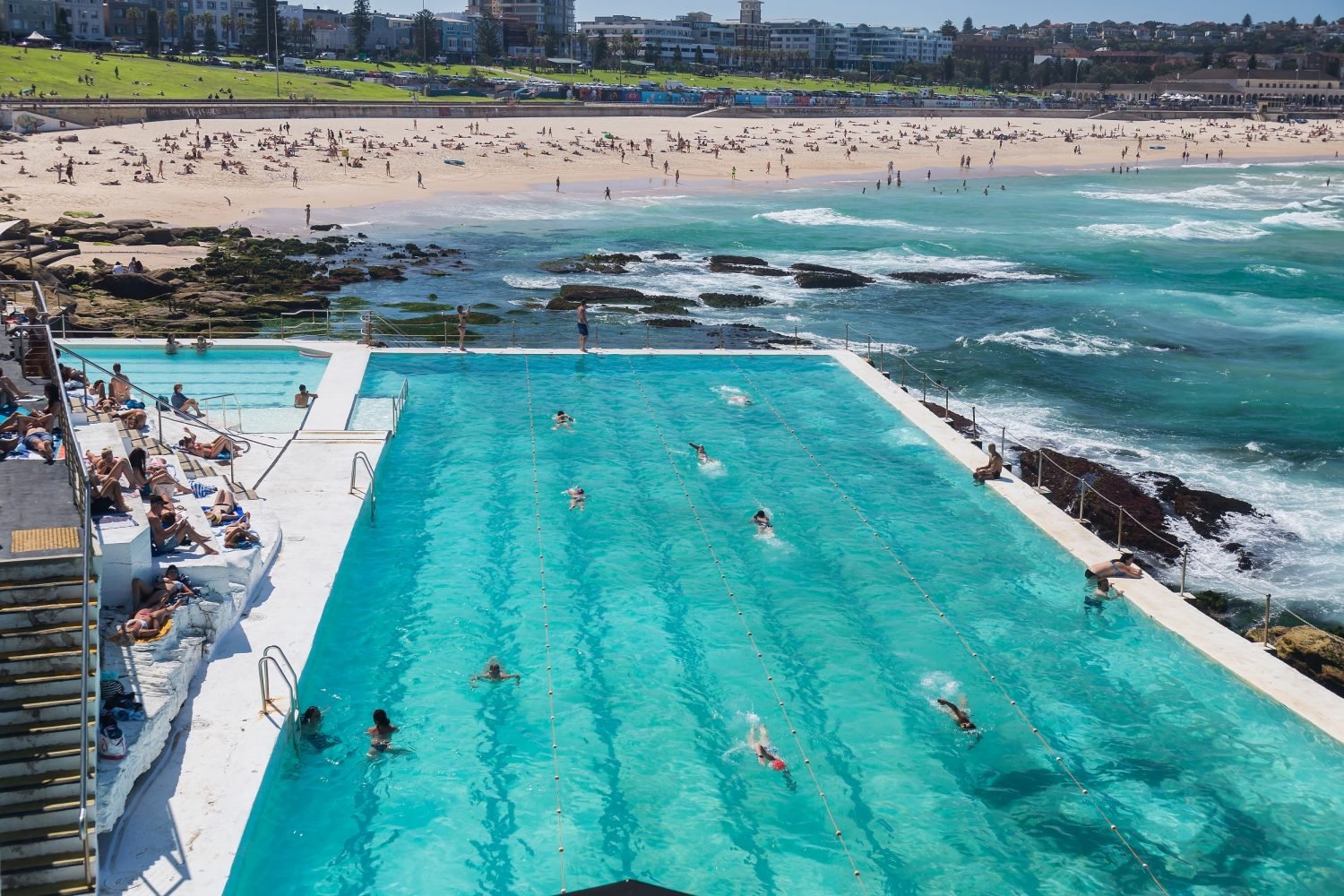
On any given morning it operates as a kind of open-air theatre: swimmers, surfers, locals putting in laps at the outdoor gym on the promenade, and the Bondi Icebergs pool carved into the rocks at the southern end.
The Icebergs pool was built in 1929 to keep lifesavers in condition through the winter months. It's 50 metres of saltwater perched above the ocean, with waves washing over the edge in a southerly swell. Worth a look even if you don't swim.
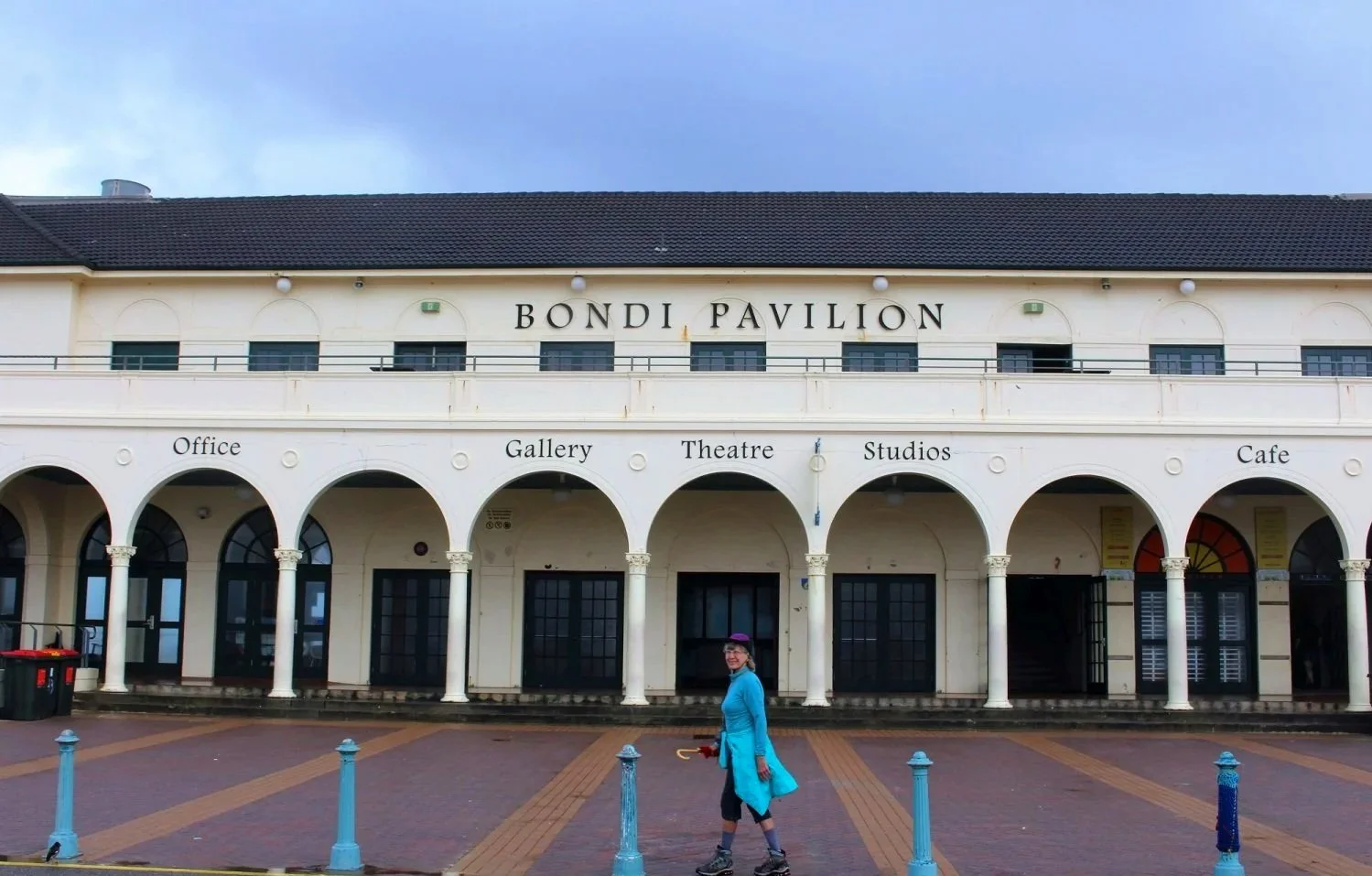
In the middle of the beach, the recently restored Bondi Pavilion is worth pausing at — a Mediterranean-style building redesigned with breezy courtyards, a light-filled atrium, and native coastal plants throughout. Further along the promenade, a series of large street murals runs along the sea wall before the path rises to a lookout above the southern headland.
The Coastal Walk
The Bondi to Coogee Coastal Walk is one of Australia's most photographed stretches of coastline — sandstone cliffs, ocean pools and Pacific views running south from Bondi along the cliff edge, with the suburbs falling away behind you. We walk as much or as little as suits your pace — the full section to Bronte takes around 45 minutes, or we can turn back at Tamarama.
Tamarama is only 80 metres of beach — compact, beautiful, and significantly less crowded than Bondi. Its name comes from the Gadigal word gamma gamma, meaning thunder — appropriate for a beach that catches the full force of a south swell. The northern rock platform offers some shelter; when the swell is small, locals dive off the reef into the surf.
Bronte, the next beach south, has a tidal rock pool and an ocean swimming pool in addition to the main beach — three ways to swim in the same place. Waverley Cemetery occupies the clifftop between Tamarama and Bronte, overlooking the Pacific from a position that seems almost deliberately theatrical.

Watsons Bay & South Head
Watsons Bay sits at the base of South Head, where the harbour opens to the open ocean. This small enclave is Australia's oldest fishing village and still sells fish from several outlets along the waterfront including iconic restaurant Doyles.
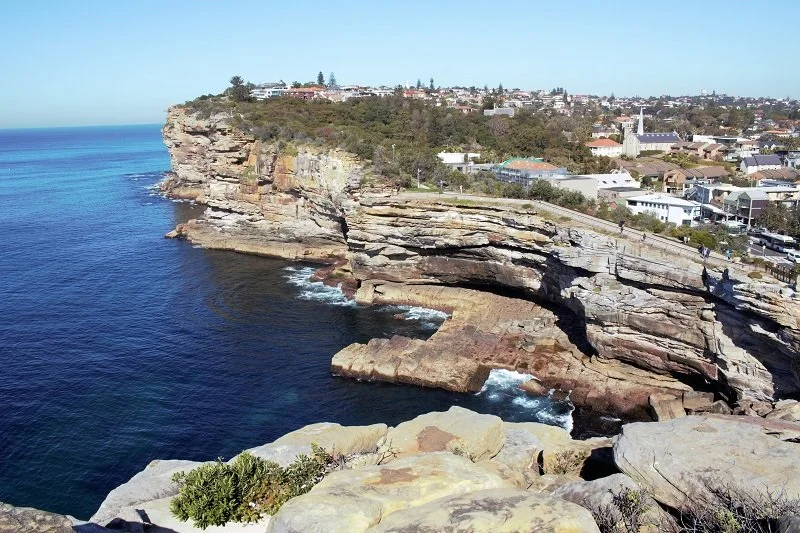
We walk to Gap Park, where the sandstone cliffs drop away to powerful ocean swells below — the point where Sydney Harbour ends and the Pacific begins. The Gap has a particular history: in 1857, a ship called the Dunbar missed the harbour entrance in poor visibility and ran into the cliffs here, the sole survivor was found clinging to the rocks two days later. Hornby Lighthouse was built the same year in response.
From Hornby Lighthouse at the tip of South Head, the view takes in North Head across the harbour entrance, vessels moving in and out of the port, and the Pacific stretching east without obstruction. It's one of Sydney's finest vantage points and sees relatively few visitors. The walk out along the South Head Heritage Trail passes old military fortifications, some still intact.
Camp Cove, a sheltered harbour beach just below the headland, offers a quieter alternative to the ocean beaches earlier in the day — calm water, historic sandstone buildings, and a very different feel from Bondi.
Macquarie Lighthouse
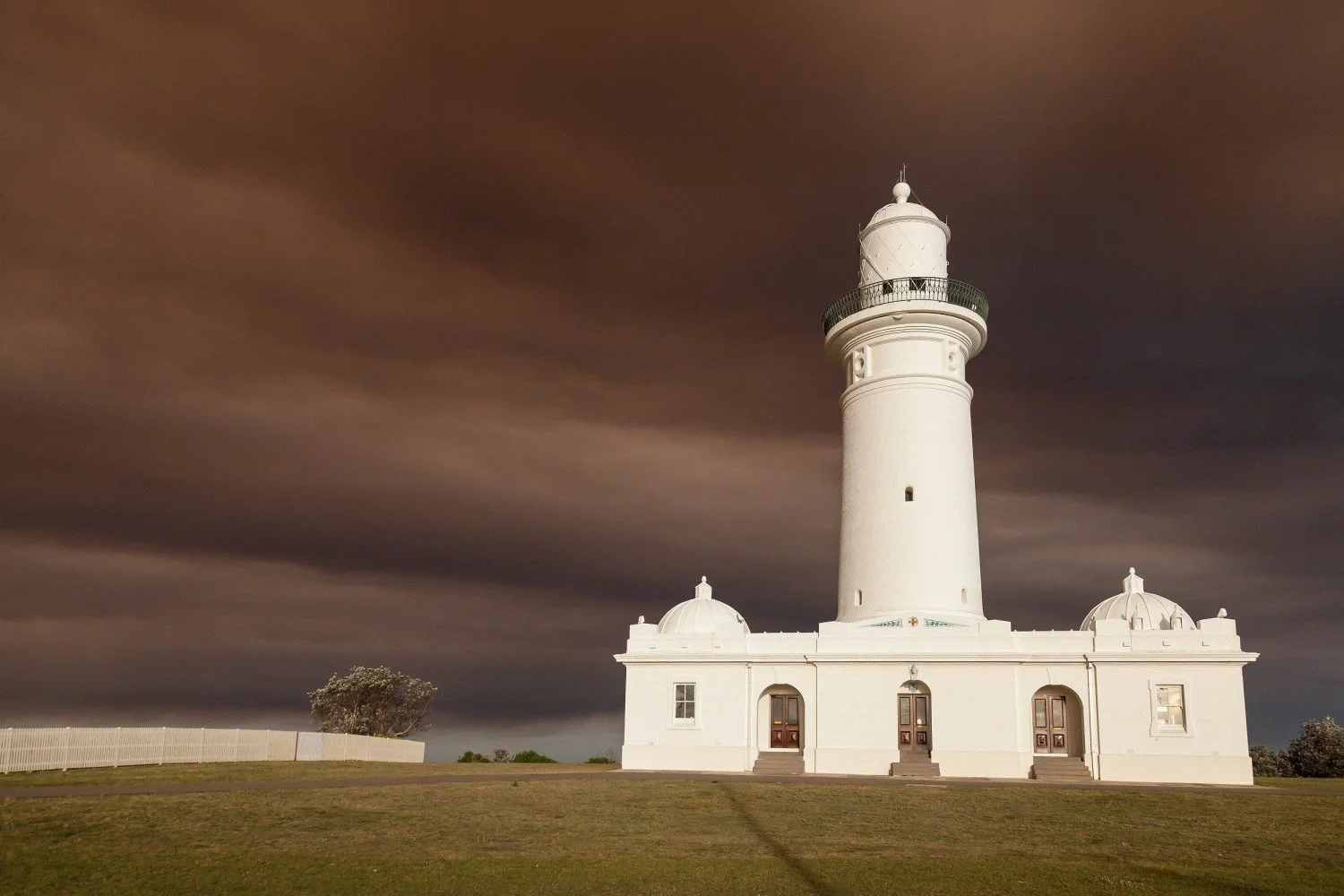
Along the Vaucluse coastline, Macquarie Lighthouse stands on a sandstone headland above the ocean. It is Australia's first and longest-serving lighthouse, originally established in 1818 — before most of Sydney existed. The current structure dates from 1883. From here the Pacific horizon is uninterrupted and the contrast with the busy city behind you is considerable.
Paddington & Darlinghurst
The tour moves inland through neighbourhoods that shaped the city's identity — and that most visitors to Sydney never reach.
Paddington's Victorian terraces line streets that climb and descend the sandstone ridge behind the eastern beaches. The wrought-iron lacework on the verandahs, the narrow lanes, the corner pubs — it reads as a very particular kind of Sydney domesticity that has stayed largely intact since the 1880s.
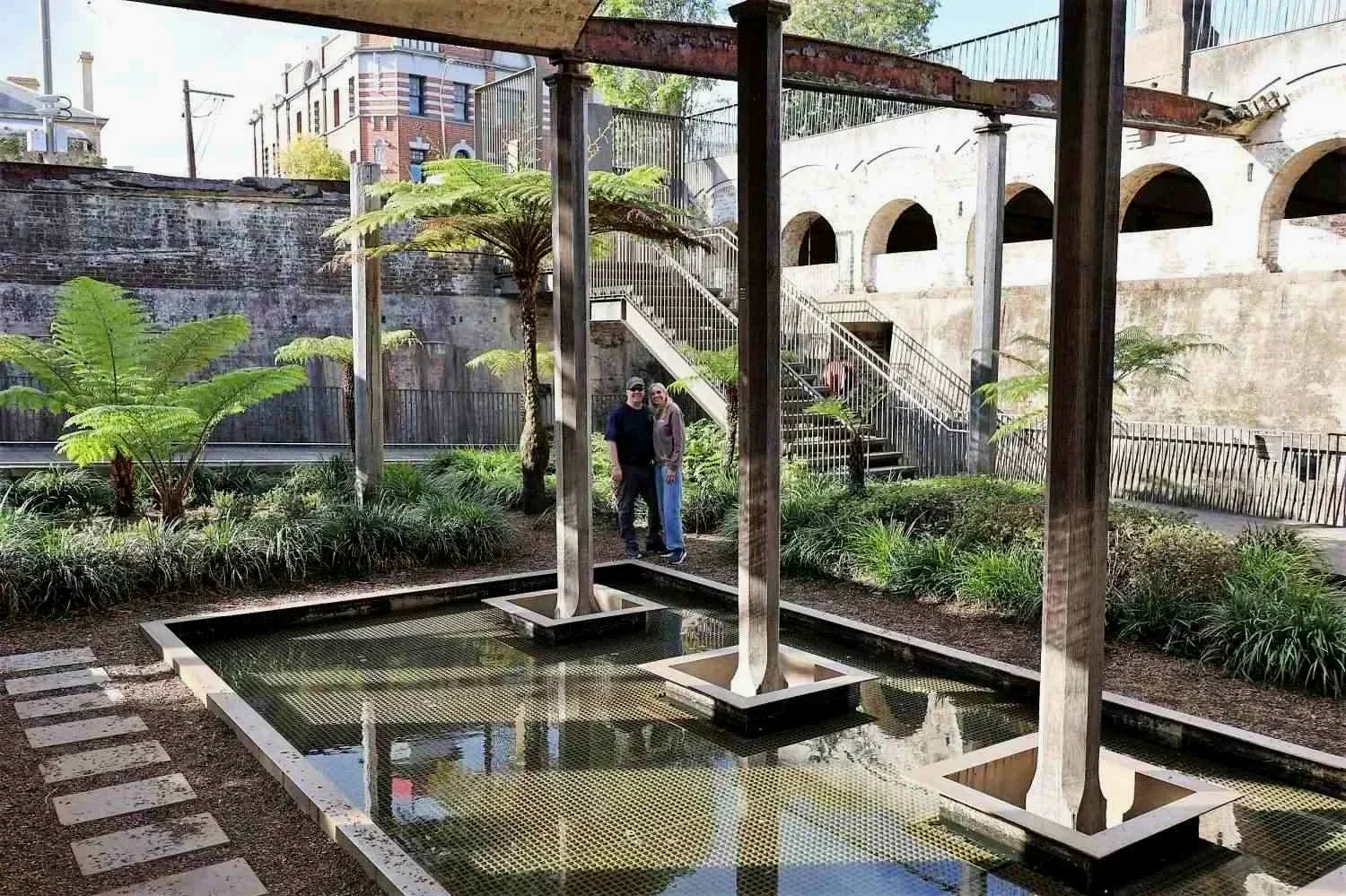
Paddington Reservoir Gardens is one of the more surprising places in the city. The reservoir was built in 1864 from brick, ironbark timber and cast iron, decommissioned in 1899, used as a garage and workshop for decades, and eventually fell into semi-ruin. The roof partially collapsed. What remained was transformed into a sunken garden and pond, with the original sandstone vaults left exposed. The result is genuinely unusual — serene and slightly strange in the best way.
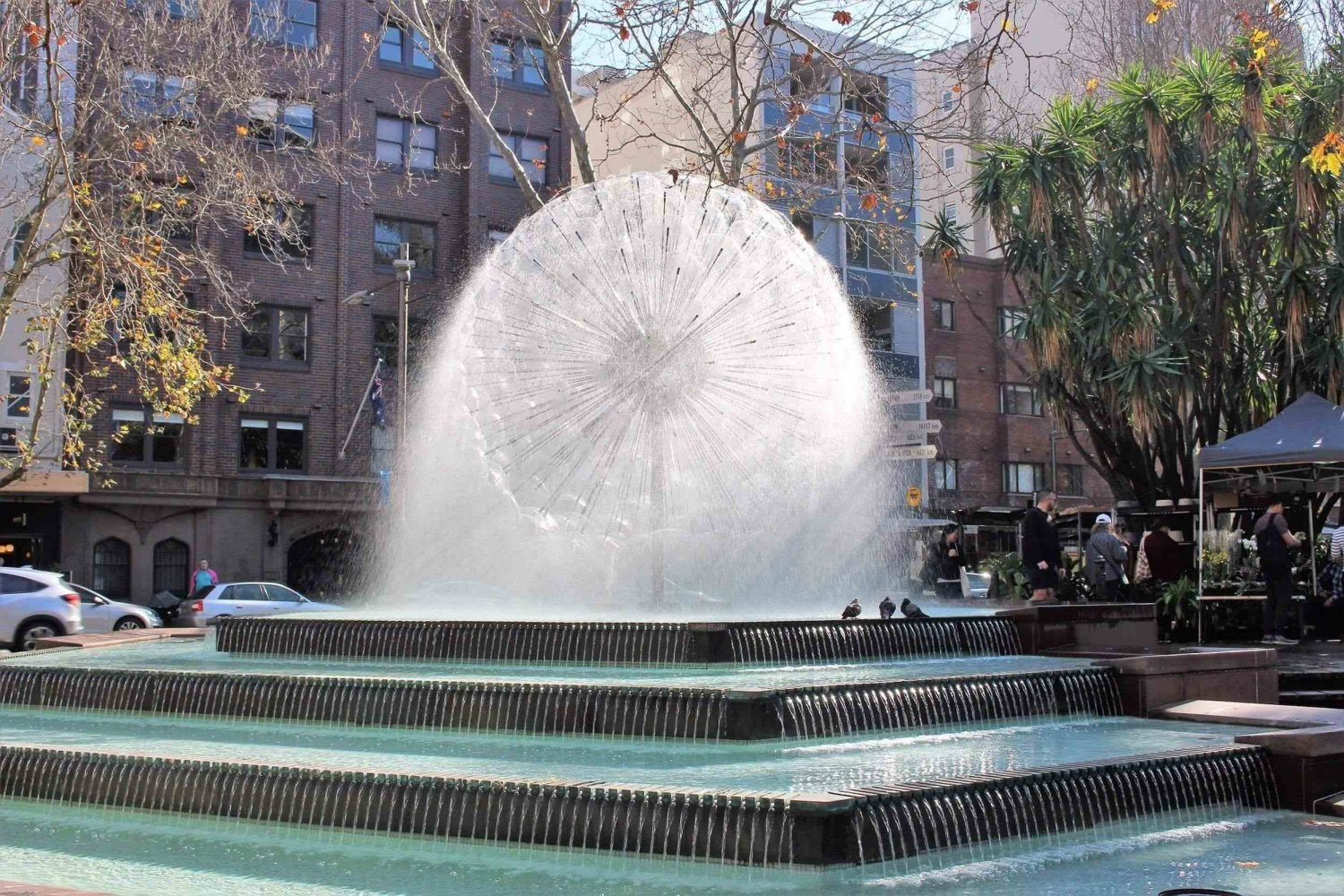
Darlinghurst and Kings Cross reveal a different layer of Sydney's story — early apartment buildings, the modernist El Alamein Fountain, and streets that still carry traces of the city's more complicated recent history.
Time can be set aside for a coffee stop in Bondi or Paddington, or both.
Tour Details
Group Size
Private — your group only (1–4 guests)
Duration
Approximately 8 hours, flexible
Pick-Up
From your Sydney accommodation or cruise terminal
Departure 8:30–9:00am
Return
Late afternoon to your accommodation or wharf
Transport
Late-model SUV