Wildflowers in the Royal National Park
Native Plants on the Coastal Tracks to Eagle Rock and Wedding Cake Rock
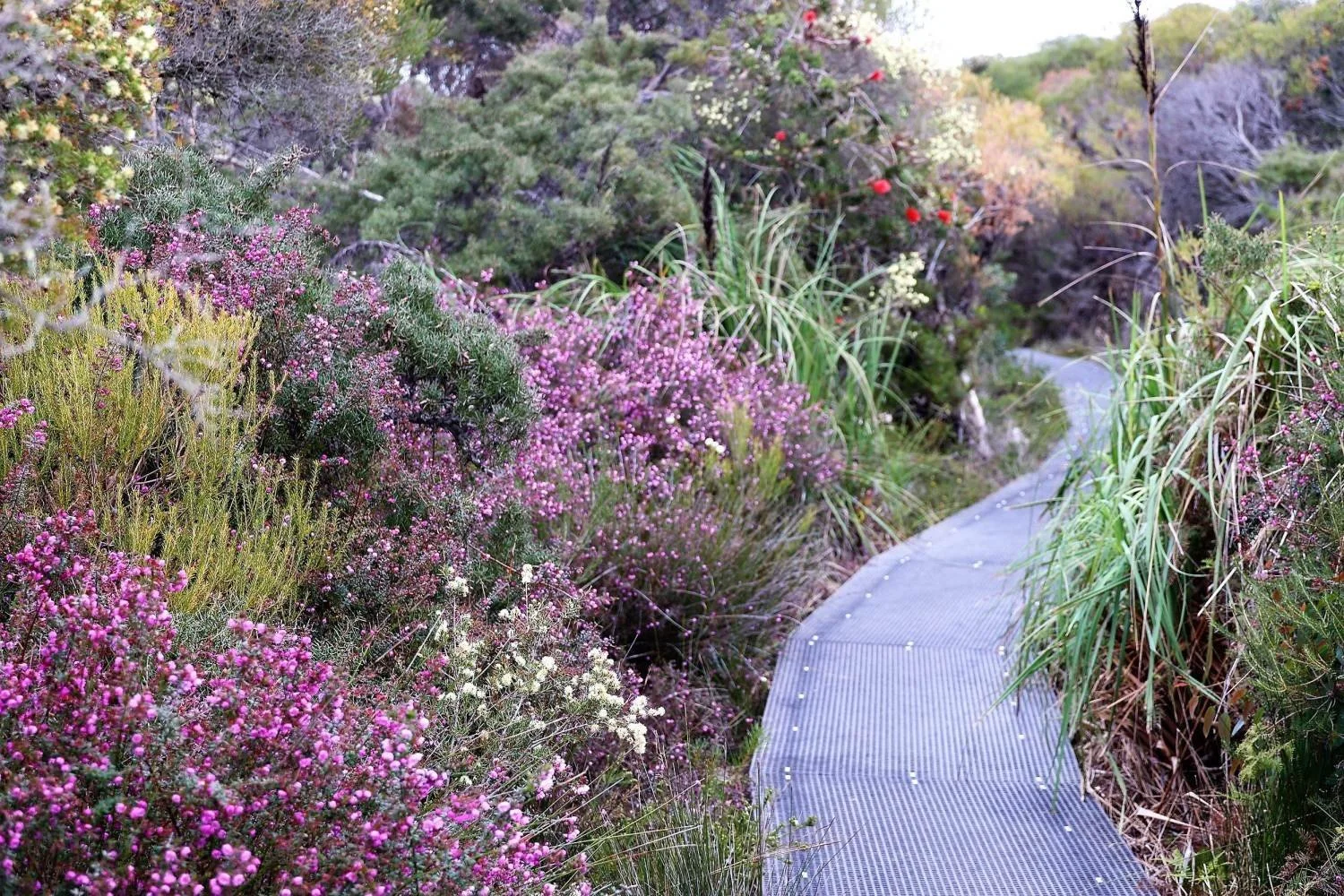
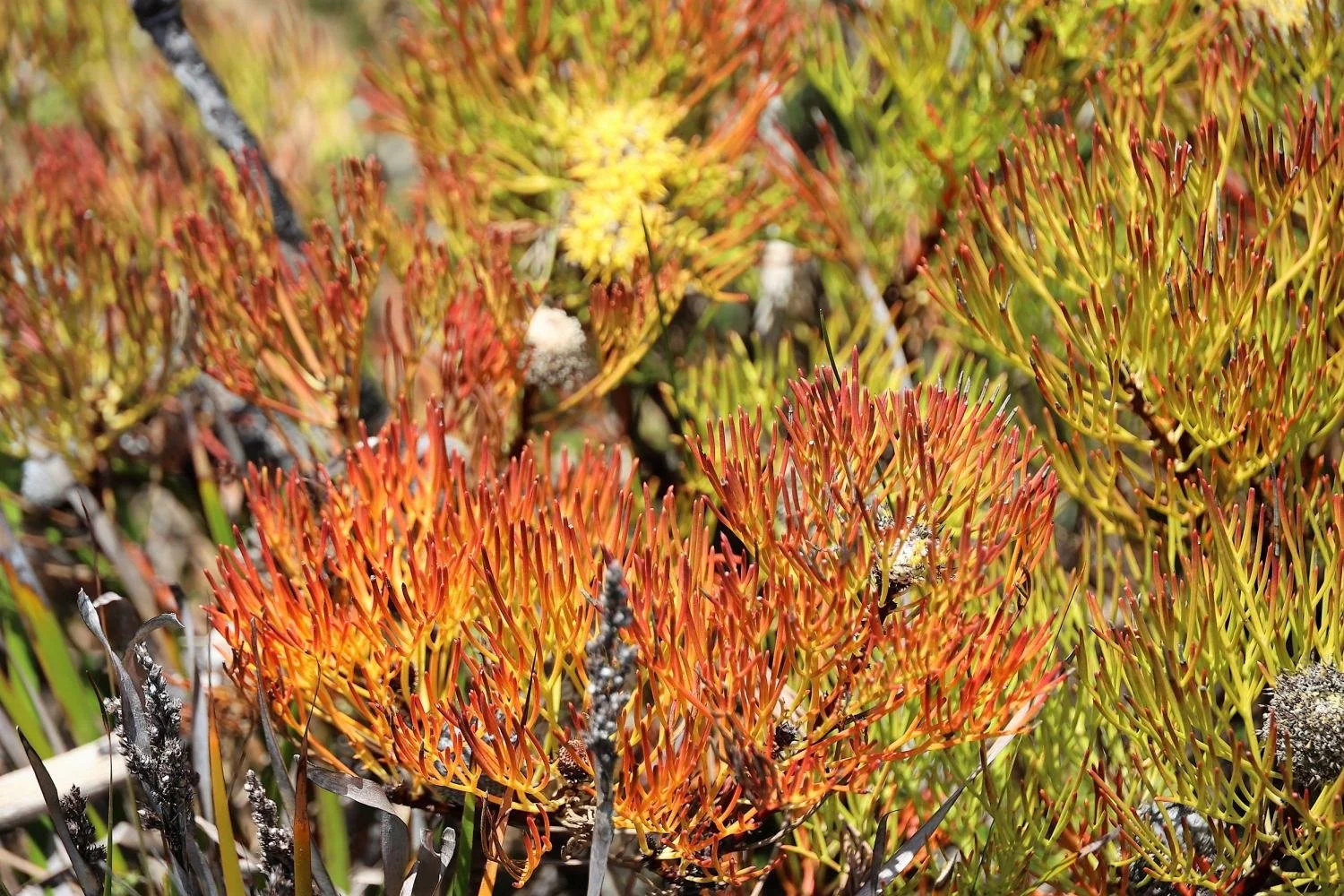
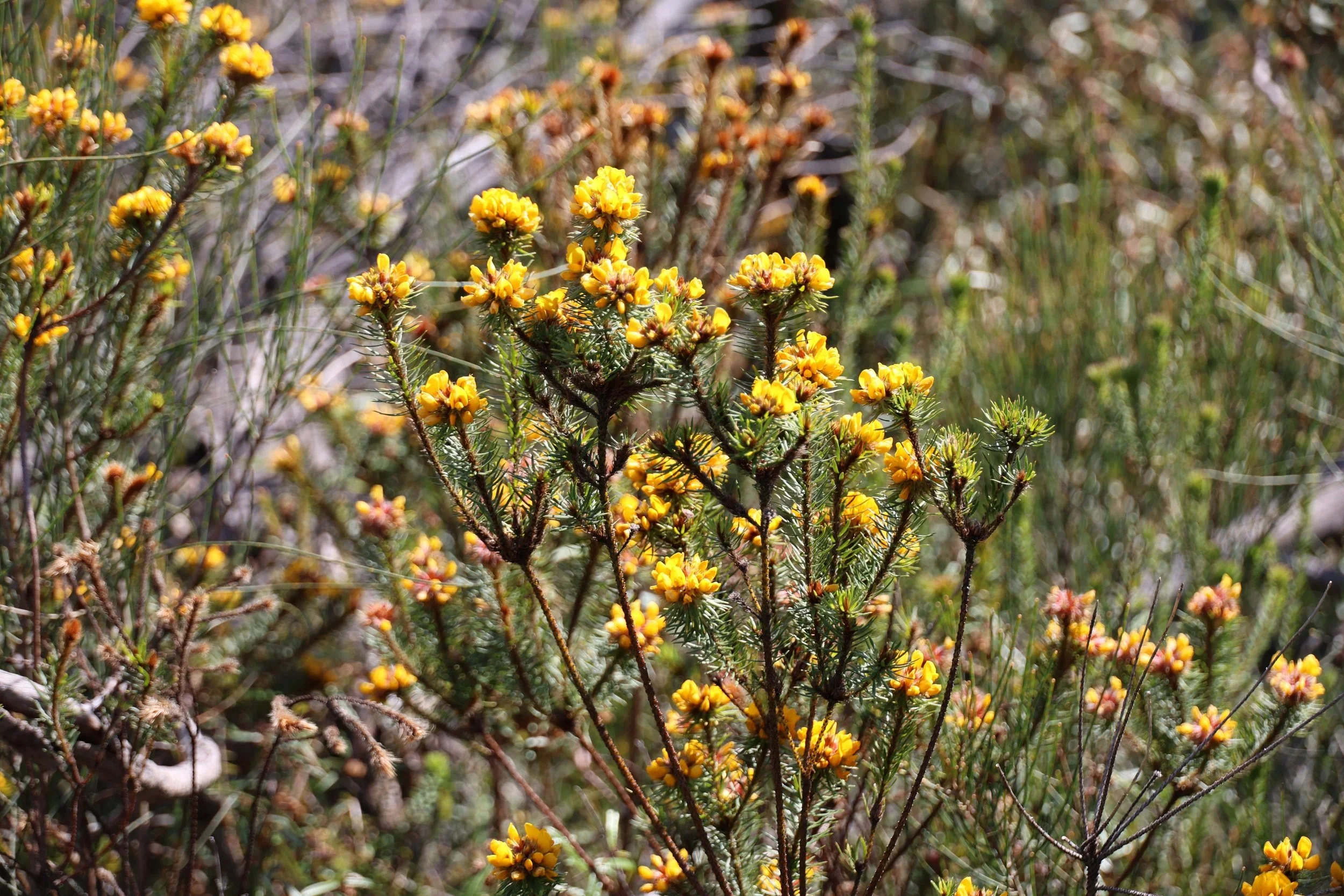
The Royal National Park's coastal heathland is one of the best places near Sydney to see native wildflowers. Walking the tracks to Eagle Rock, Wedding Cake Rock and along the Curra Moors, you pass through low coastal scrub that produces some striking plants — if you know where to look and what you're seeing.
Spring is the peak flowering season, when the heathland comes alive with colour. But flowering times vary between species and some plants produce flowers at other times of year. What follows is a guide to the most striking native plants encountered on these walks.
Gymea Lily
The Gymea Lily is one of the most striking plants in the Royal National Park — a native Sydney species that sends up a narrow green shoot of six metres or more, topped with a vivid crimson flower. It's visible from the road as you drive through the park and along the coastal tracks in flowering season. We've written a dedicated guide to the Gymea Lily if you'd like to know more.
Waratah
The Waratah is the floral emblem of New South Wales and one of Australia's most recognisable native flowers. It grows in the bush in clumps of tall stems topped with vivid red-pink flower heads — large, structured, and striking against the surrounding green.
On the Curra Moors Track to Eagle Rock, Waratahs appear in the heathland in flowering season. They're worth stopping for — the flower head is more intricate up close than it appears from a distance, with dozens of individual florets arranged in a dense cluster.
Drumstick
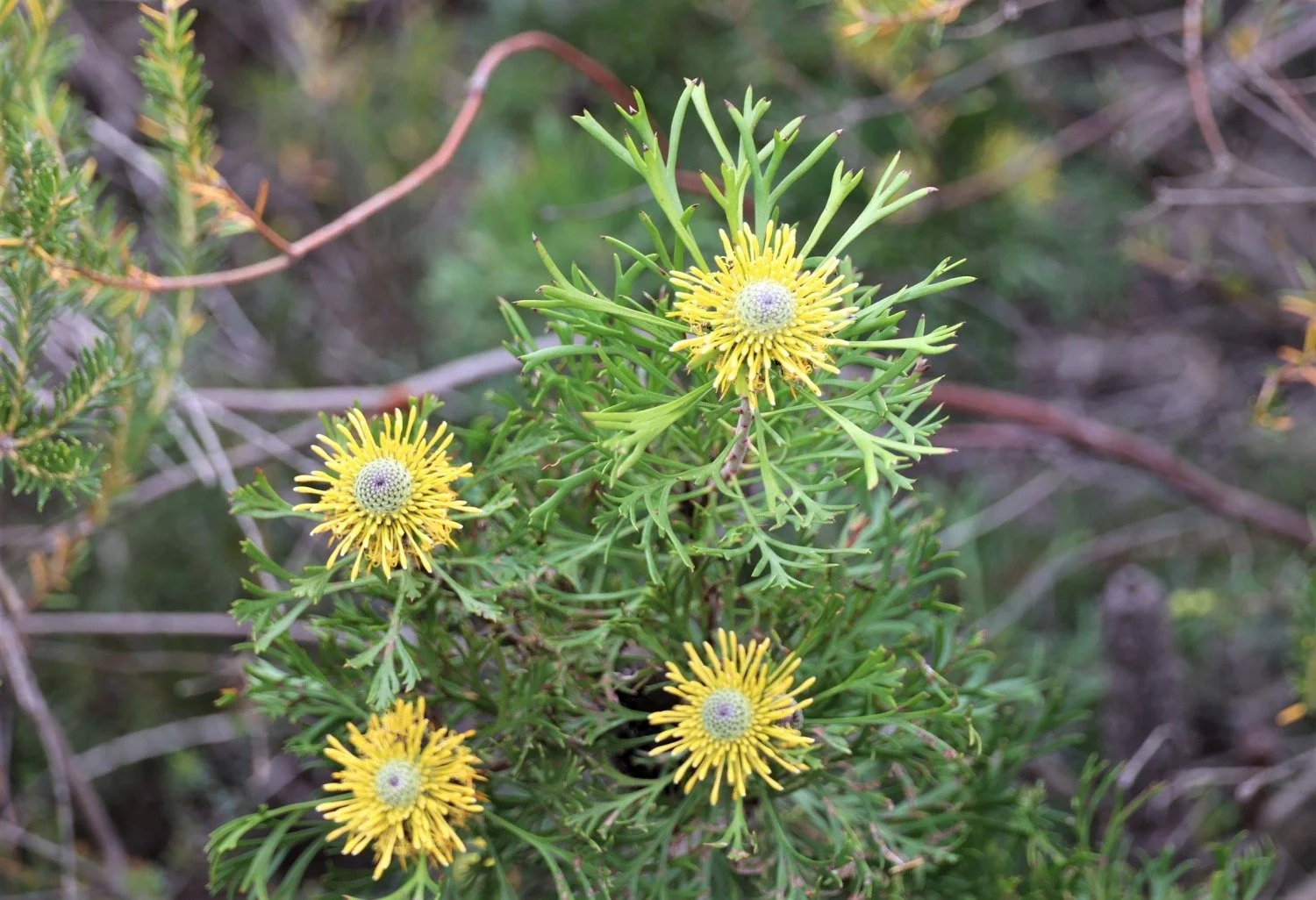
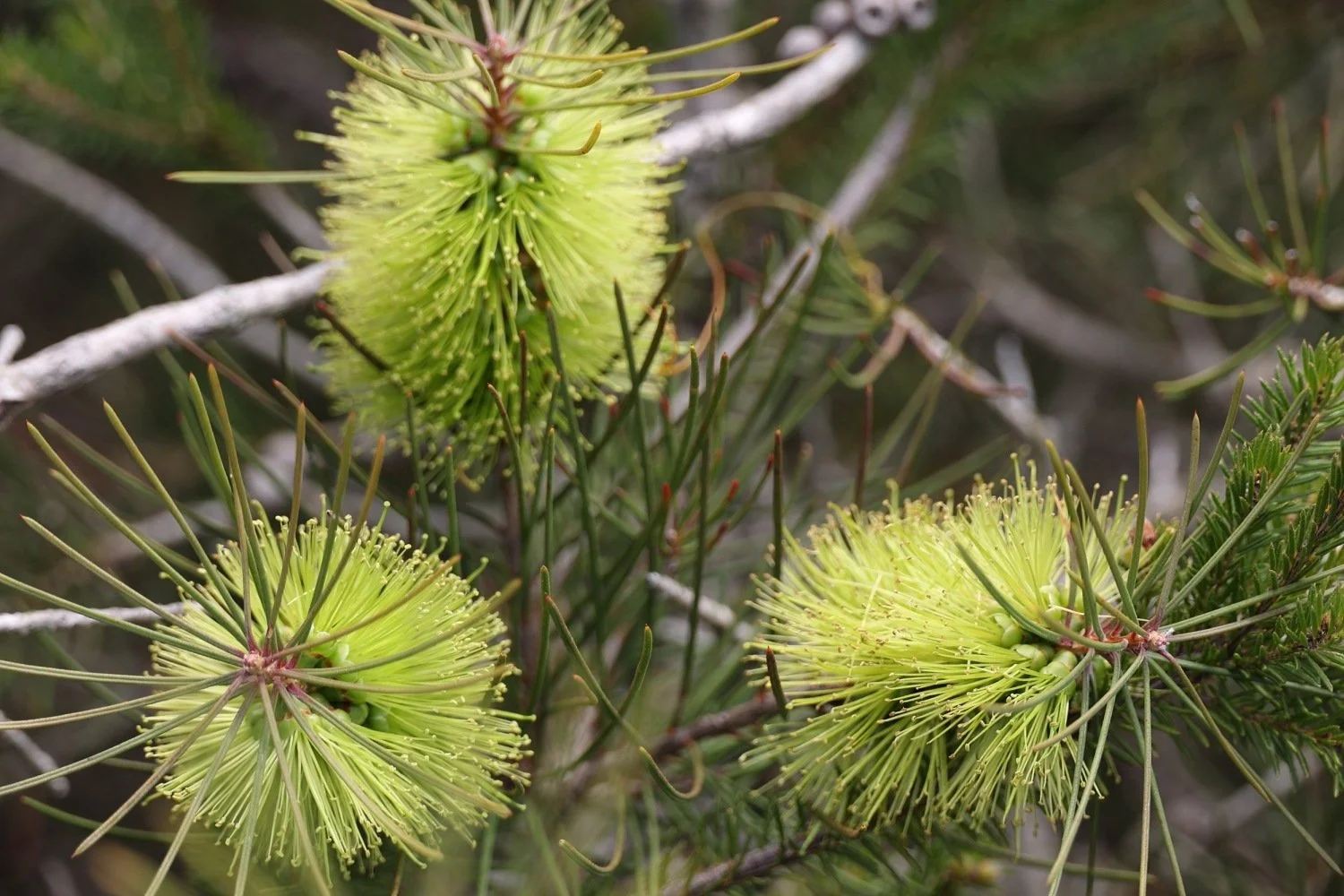
Two varieties of Drumstick grow on the coastal tracks of the Royal National Park — the Broad-leaf Drumstick and the Narrow-leaf Drumstick. Both produce bright yellow flowers, but the leaves are quite different: the Broad-leaf has flat, fork-like leaves while the Narrow-leaf has needle-like foliage.
Before flowering, the spherical fruiting body at the end of the small branches can develop purple tinges — a detail easy to miss unless you're looking closely. Look for a spiralling pattern of thorn-shaped purple hairs on the surface. Over time the fruiting body turns grey and develops a barrel or cone shape, which is what gives the plant its name.
Fuchsia Heath & Heath Myrtle
The Fuchsia Heath produces small bell-shaped flowers in red-pink and white — delicate and easy to overlook against the larger, more dramatic plants nearby. It grows in the heathland along the coastal tracks and flowers in clusters along the stems.
The Heath Myrtle produces small white flowers and often grows alongside the Fuchsia Heath. Together they form part of the low flowering understorey that lines the walking tracks — less dramatic than the Gymea Lily or Waratah but worth pausing to look at closely.
Seeing Wildflowers on a Royal National Park Tour
Greg points out native plants throughout the day on Sydney Nimble Tours' Royal National Park private tour — not just the flowering species but the ecology of the heathland more broadly. The coastal tracks to Eagle Rock and Wedding Cake Rock pass through some of the best wildflower country in the park.
If wildflowers are a particular interest, mention it when booking and we'll factor the season and current conditions into the day's route.