
Beyond the Blue Mountains — Capertee Valley, Pagoda Country and the Granite Tors of Evans Crown
Most visitors to Sydney who make it to the Blue Mountains stop at Echo Point, admire the Three Sisters and turn back toward the city. Fair enough — it's a spectacular view. But what lies further west is a different kind of landscape entirely, and most people have no idea it exists.
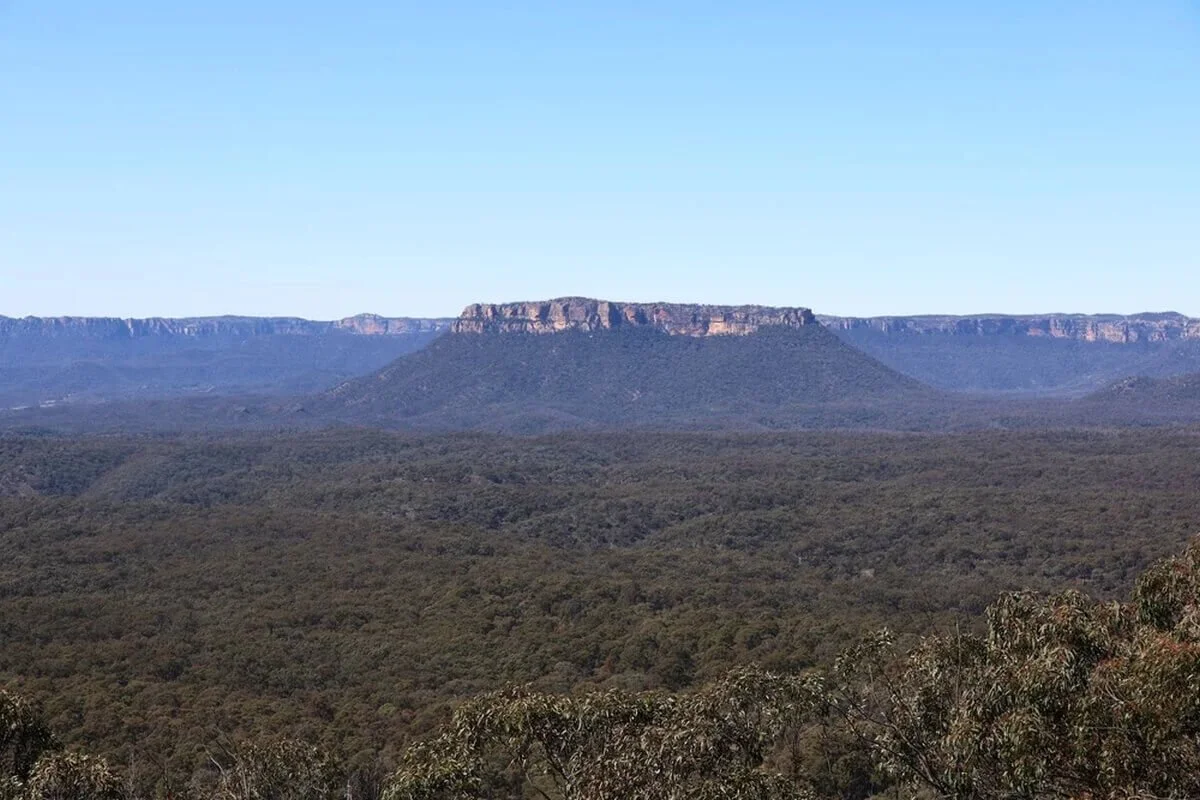
The Capertee Valley is wider than the Grand Canyon. It is one of the largest canyons in the world. It is also, remarkably, one of the most overlooked landscapes in New South Wales. So now is the time to explore it.
Getting There
The Capertee Valley is around three hours from Sydney — far enough that it rewards spending two days rather than rushing through in one. Staying overnight in the historic town of Rylstone or nearby Kandos allows time to explore the valley properly and still make it to Evans Crown on the way home.
The Capertee Valley
The town of Capertee sits at the gateway to the valley. Drive through and the landscape opens up around you — vast sandstone escarpments, mesas, pagoda formations, slot canyons and rock arches. The geology here is extraordinary and it changes constantly as you move through it. No donkey required.
Glen Davis — the Town Time Forgot
Deep in the northern end of the valley, at the end of a long road that feels increasingly remote, sits Glen Davis. Shale oil was discovered in this part of the valley as far back as 1865 by a local grazier, though it wasn't until the late 1930s — with a world war looming and alternative fuel supplies suddenly urgent — that a shale oil plant was established here.
The town of Glen Davis grew up around the plant to house the 170 workers who kept it running. The first oil flowed in 1940. By the early 1950s, with the war over and the economics no longer working, the plant closed and the workers moved on.
What's left is a sleepy hollow — a scattering of houses, industrial ruins and the kind of quietness that settles over places that once had a reason to be busy. An old petrol bowser sits out front of one of the houses. The sandstone escarpments rise behind it all, completely indifferent to the whole story.
Ganguddy — Dunns Swamp
The area known as Dunns Swamp takes its Aboriginal name, Ganguddy, from the Wiradjuri people. A weir on the Cudgegong River created the waterway — serene and reed-lined, with the river meandering through large pagoda formations that rise from the surrounding bush like petrified beehives.
The walk to the lookout above Ganguddy requires a bit of rock clambering near the top but rewards with a view that takes a moment to fully register — pagodas in the foreground, the river winding below, the valley spreading out beyond. Kayaking, bushwalking and birdwatching are all popular here and it's easy to see why.
Rylestone
Rylestone sits on the Cudgegong River, 238 kilometres northwest of Sydney. It came into being as a service centre for the surrounding rural properties and has the unhurried character of a town that never needed to grow beyond what it was. Stone buildings line the main street — four churches among them, most built in the second half of the 19th century. It's a pretty place and worth a short heritage walk while you're here.
Baby Feet Cave
The Growee Gulf area north of Rylstone contains one of the more remarkable Aboriginal heritage sites in the region — hand stencils up high on the rock face where ochre or pigment was blown over a hand pressed against the rock. The cave gets its name from two small baby footprints stencilled higher than anything else — completely out of reach for even the tallest person.
Evans Crown
Evans Crown nature reserve sits on 425 acres east of Bathurst and contains some of the most extraordinary rocks you'll see anywhere in NSW — massive granite tors that were originally molten rock, cooled and solidified deep underground.
Over millions of years, movements and faulting in the earth cracked the granite and allowed water in. The water rounded the blocks while they were still underground. Then wind and water did their work above ground, gradually eroding away the landscape and exposing the boulders to the surface.
The result is a collection of rounded granite forms that look completely out of place among the surrounding farmland — which in a sense they are, given they spent most of their existence underground. It's not until you walk among them that their scale becomes clear. They make an excellent vantage point too, with sweeping views across the countryside in every direction.
The contrast with the sandstone landscapes of the Blue Mountains and Capertee Valley is striking — granite and sandstone are entirely different rock types, formed by entirely different processes, visible on the same two-day journey.
Visiting with Sydney Nimble Tours
These landscapes form the basis of our private Blue Mountains and Capertee Valley two-day tour from Sydney. Greg has spent years exploring this region and brings the geological and historical context that makes the difference between passing through a place and actually understanding what you're looking at. The two-day pace exists because these landscapes deserve more than a rushed day trip.
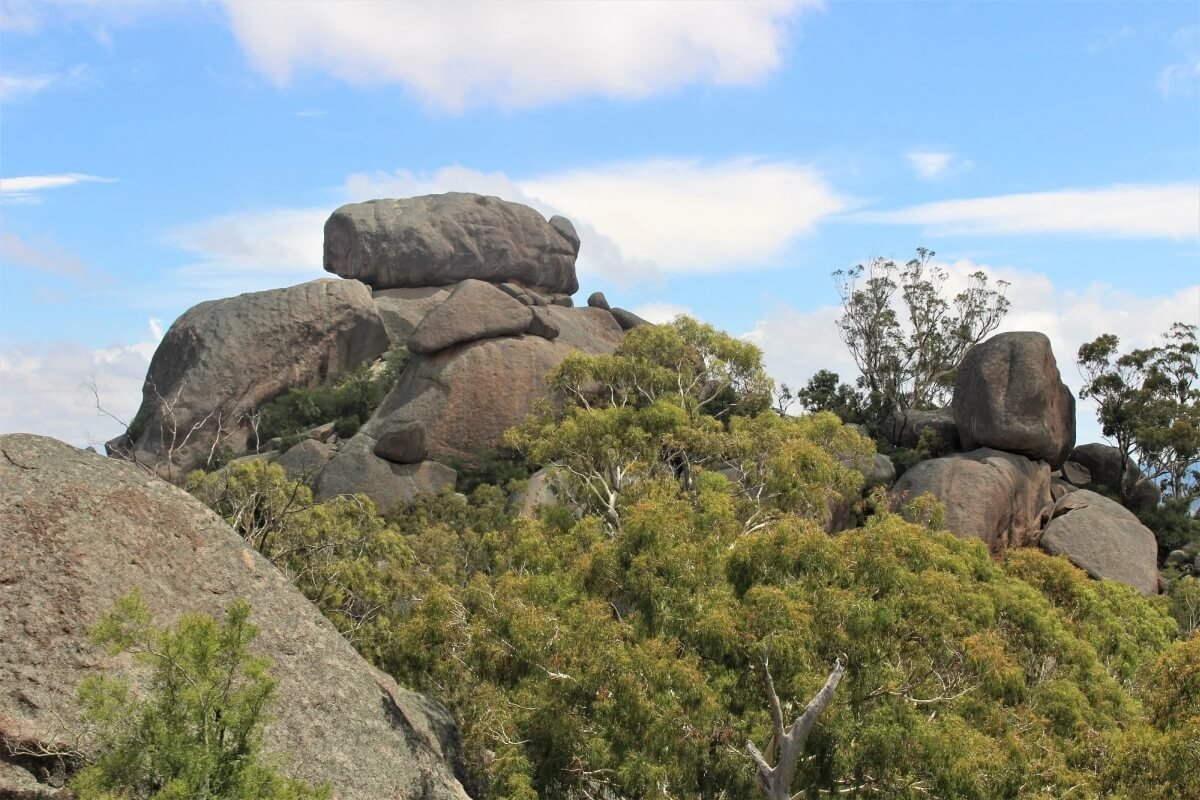
Evans Crown — massive granite tors formed deep underground and gradually exposed over millions of years
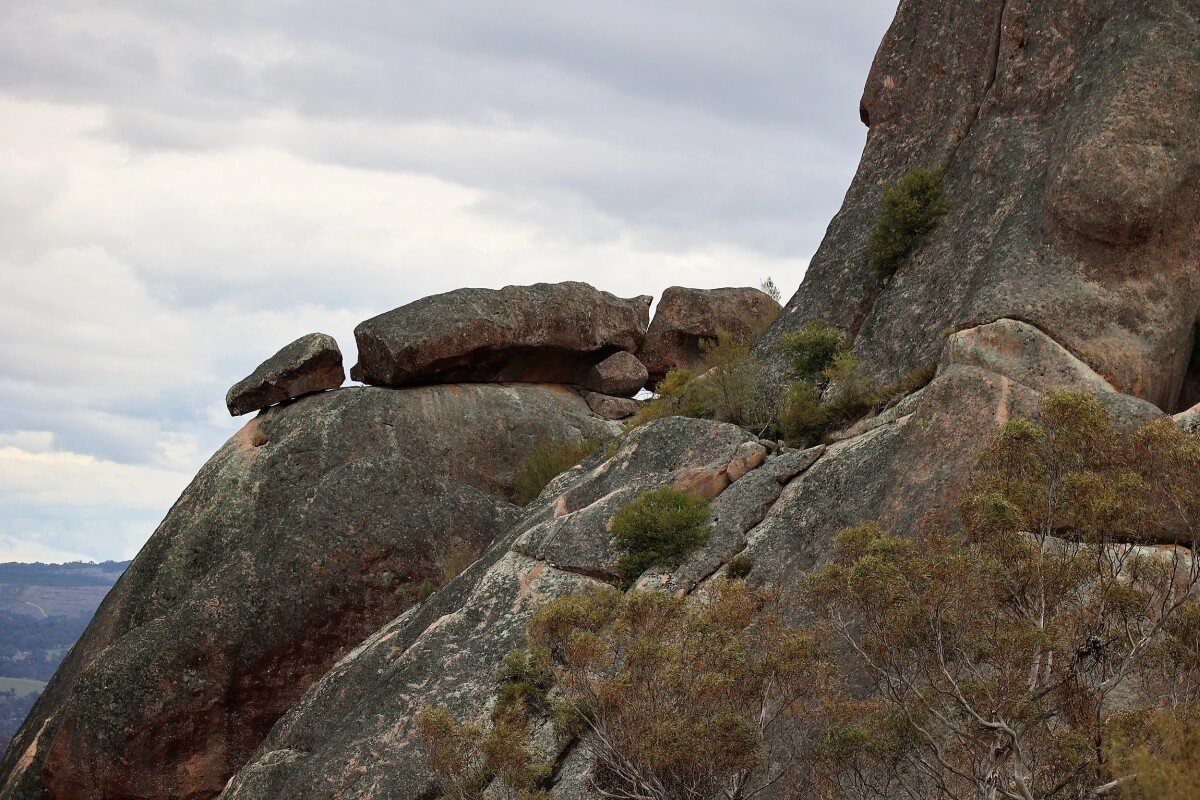
The granite tors up close — the geology at Evans Crown is entirely different from the sandstone landscapes of the Blue Mountains and Capertee Valley
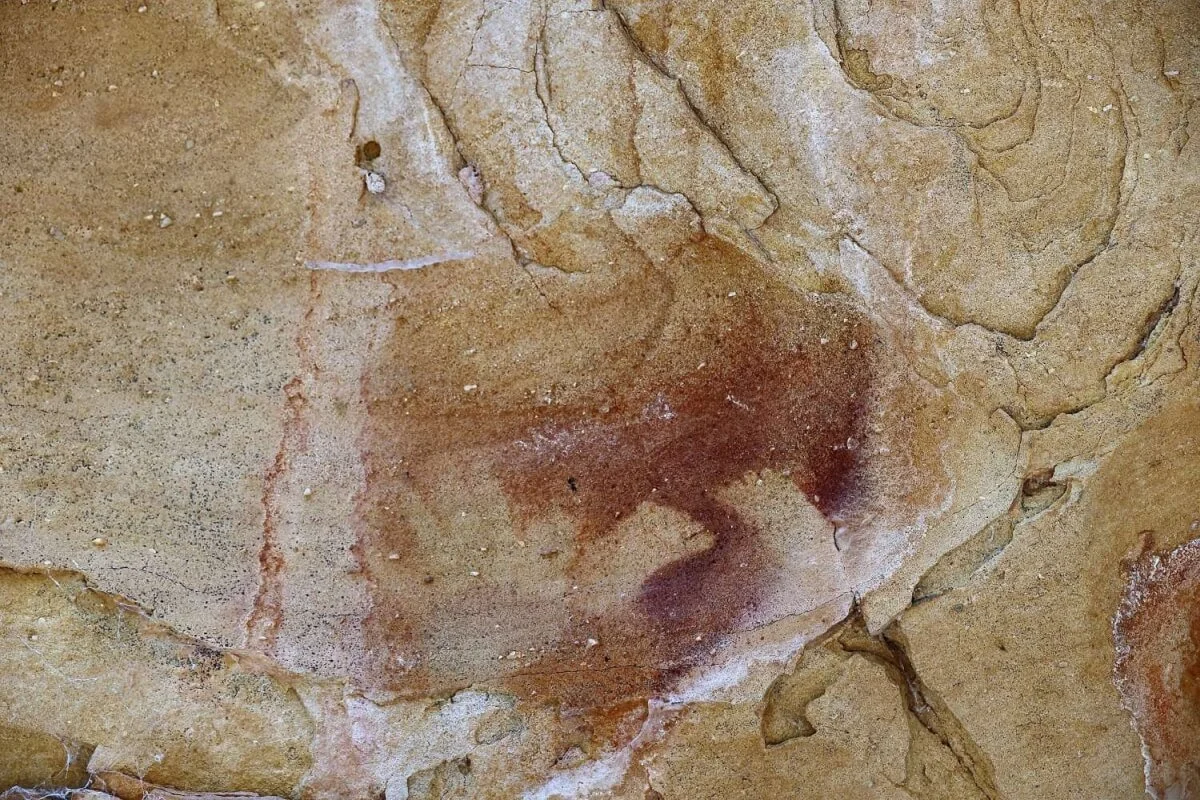
Wiradjuri baby feet stencils — ochre blown over a hand pressed against the rock
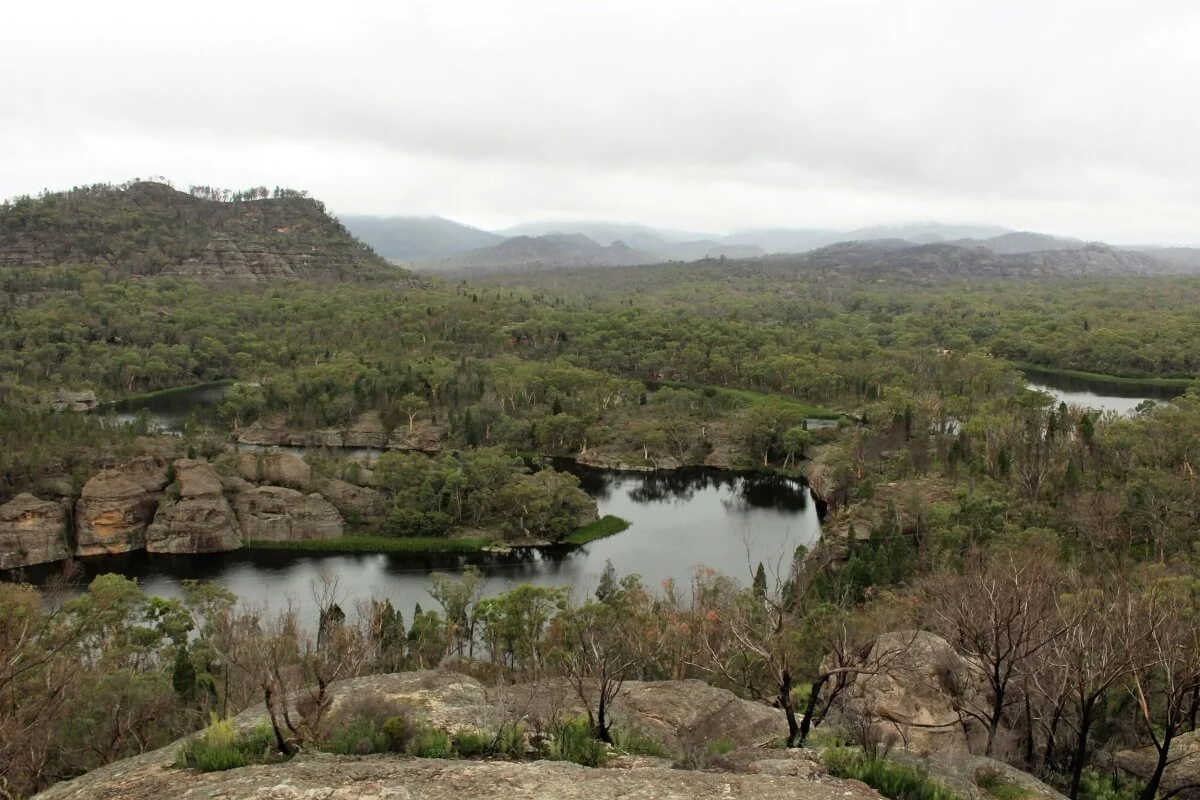
The view from the Ganguddy lookout — pagoda formations, meandering river and the vast Gardens of Stone landscape
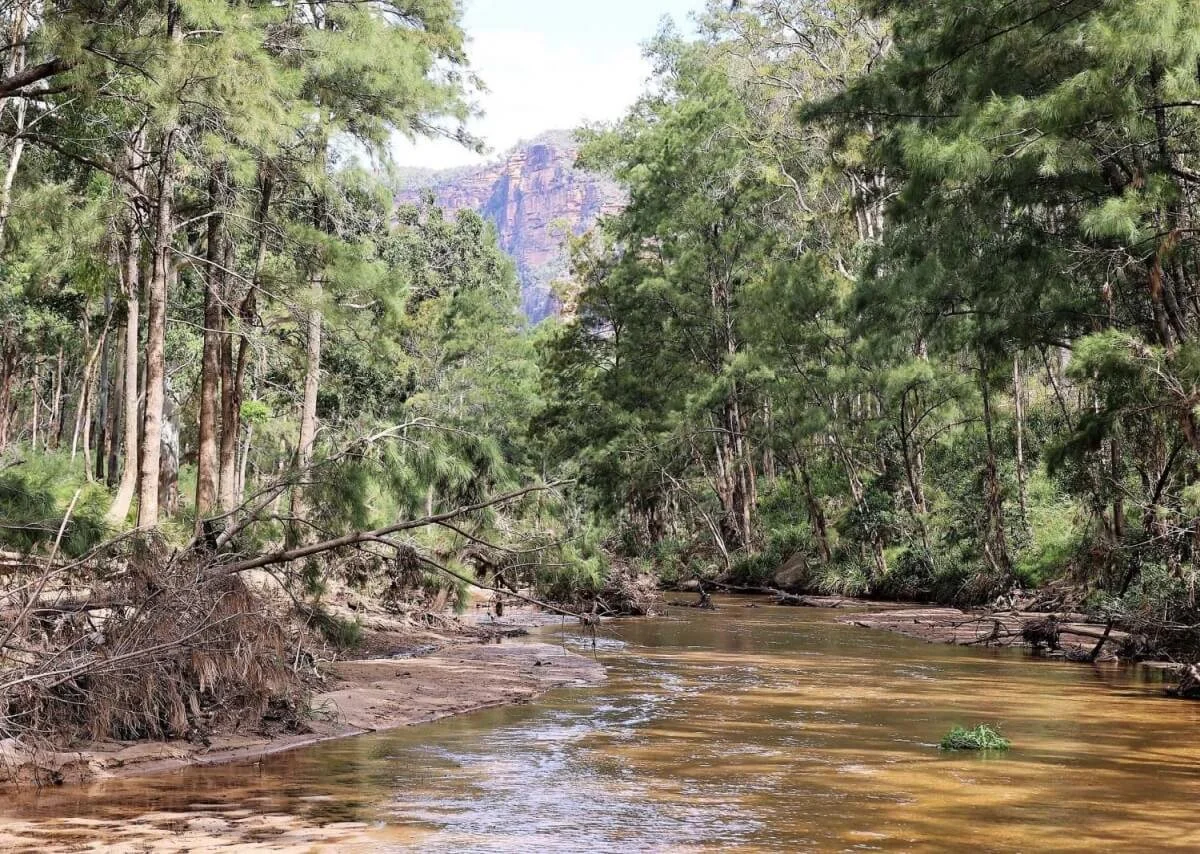
The Capertee River near Glen Davis — the sandstone escarpments of the valley rise behind
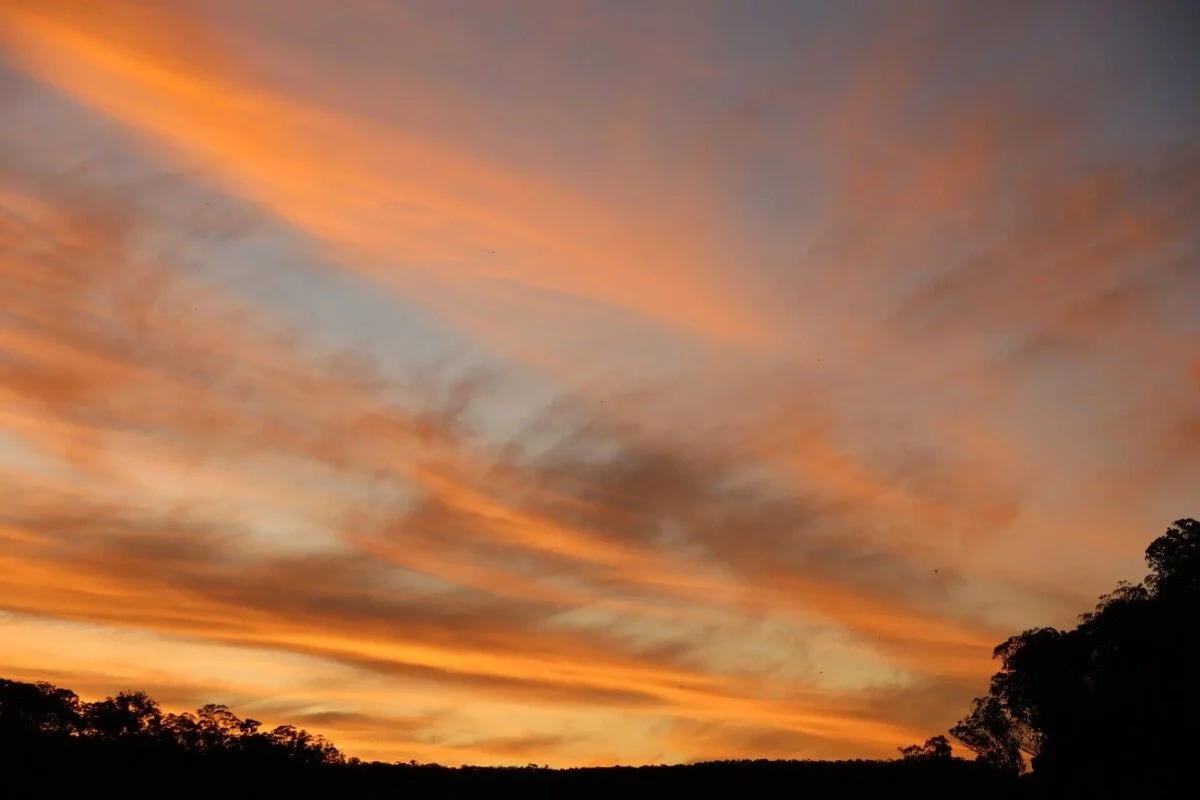
A Capertee Valley sunset — the kind of thing that doesn't happen on a day trip
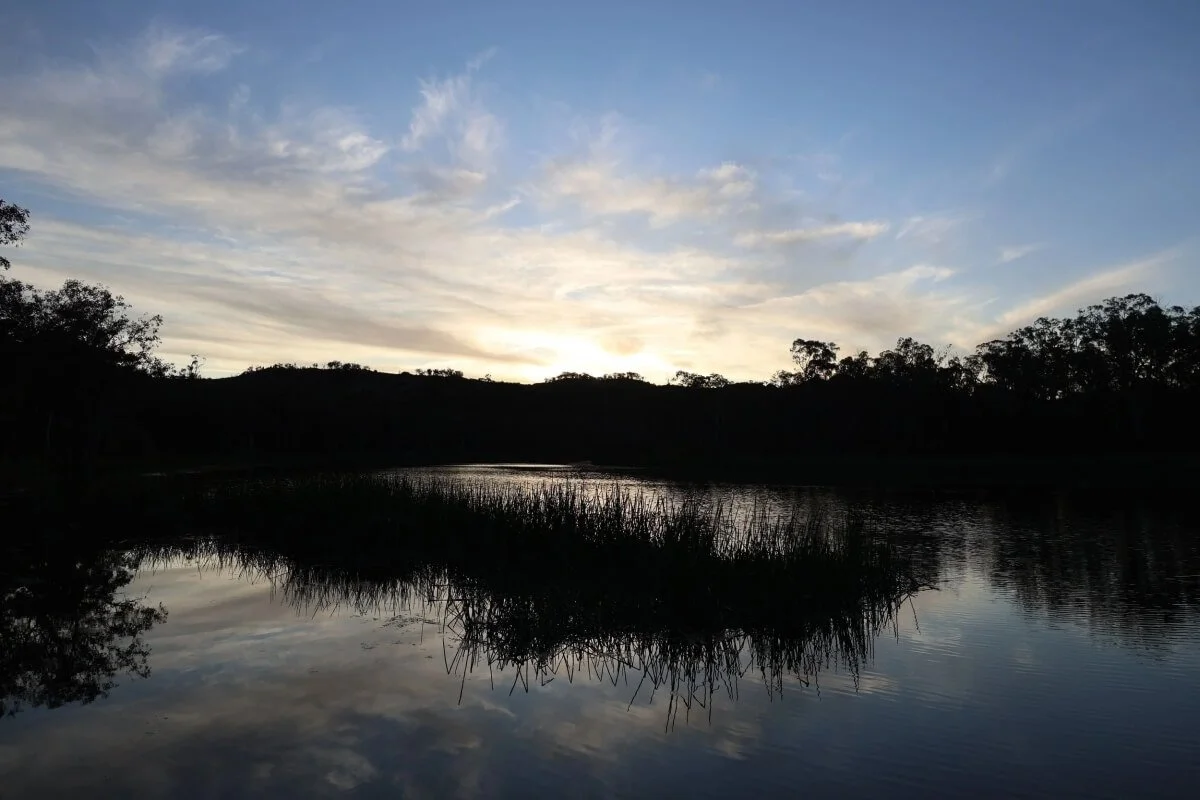
Ganguddy at dusk — one of the benefits of spending two days in the region rather than rushing back to Sydney